Hiring Revolution: Beyond Resumes in the AI Era
We explore how Motiv is transforming hiring without resumes.
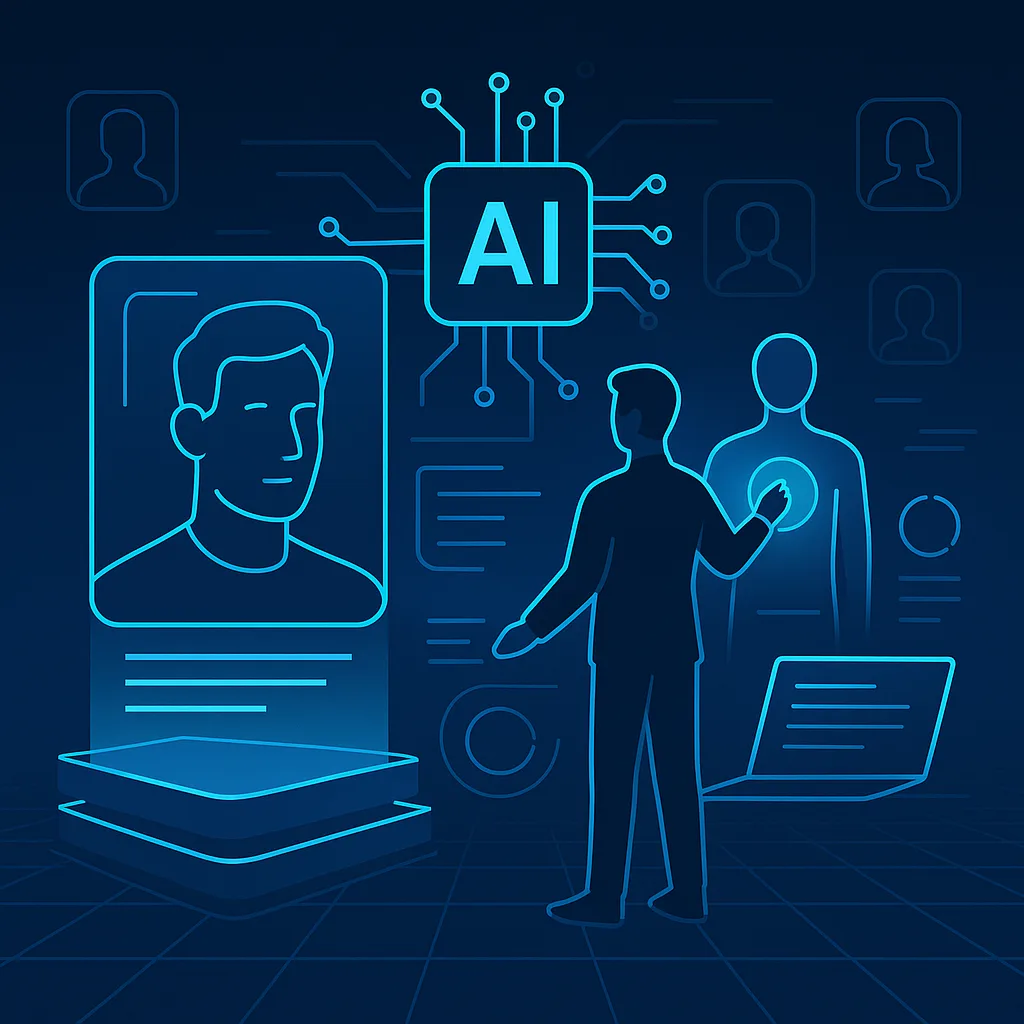
<h2>The Need for Change in Hiring</h2><p>Hiring has traditionally been a process based on resumes, where applicants present their experience and skills in a static document. However, this methodology has proven ineffective in many respects. Companies face high turnover costs and often hire individuals who are not suitable for the position. In this context, the startup Motiv has emerged with an innovative approach that challenges the norm.</p><h3>What is Motiv?</h3><p>Motiv is a platform that seeks to revolutionize the hiring process using advanced technology. Instead of relying on resumes, the company focuses on the skills and potential of candidates through more dynamic assessment methods. By eliminating resumes, Motiv not only simplifies the selection process but also strives to reduce biases that may arise during document review.</p><h3>The Philosophy Behind Motiv</h3><p>The philosophy of Motiv is based on the premise that practical skills and a candidate's potential are more indicative of their job success than their previous work history. This is especially relevant in the field of artificial intelligence, where adaptability and the ability to learn are essential. Rather than judging candidates by their past experience, Motiv focuses on how they can contribute in the future.</p><h3>Implementing Technology in Hiring</h3><p>Using AI-based assessment tools, Motiv allows candidates to demonstrate their skills through real-time tests and practical projects. This not only offers employers a clearer view of what candidates can bring to the table but also provides applicants with a fair opportunity to showcase their true potential, regardless of their previous experience.</p><h3>Benefits of Eliminating Resumes</h3><p>The benefits of removing resumes from the hiring process are numerous:</p><ul><li><strong>Reduction of Bias:</strong> By focusing on skills instead of backgrounds, inherent biases that can influence hiring decisions are minimized.</li><li><strong>Increased Diversity:</strong> Allowing a broader range of candidates to demonstrate their potential enables companies to build more diverse and inclusive teams.</li><li><strong>Efficiency in the Process:</strong> Real-time testing can speed up the selection process and reduce the administrative burden of reviewing multiple resumes.</li></ul><h3>Success Stories</h3><p>Since its launch, Motiv has collaborated with various companies across different sectors, demonstrating that its approach can lead to better hiring outcomes. One notable example is a tech firm that, after adopting Motiv's methodology, reported a 30% increase in employee retention during the first year.</p><h3>Challenges and Considerations</h3><p>Despite the benefits, transitioning to a resume-less hiring model is not without challenges. Resistance to change is common in many organizations, and some may be hesitant to abandon a process they have used for years. Additionally, there is a need to ensure that tests and assessments are fair and accessible to all candidates.</p><h3>The Future of Hiring in the AI Era</h3><p>As technology advances, we are likely to see an even greater transformation in the hiring process. Artificial intelligence has the potential to create more sophisticated assessment methods that can be tailored to each company's needs. However, it is crucial for organizations to address the ethical issues associated with using AI in hiring to ensure that the process is fair and equitable.</p><h3>Conclusion</h3><p>Motiv's proposal to eliminate resumes represents a necessary shift in how hiring is conducted. In an increasingly technology-driven world, it is essential for companies to evolve and adopt new methods that allow for a more fair and accurate assessment of candidates. By doing so, they will not only improve their hiring outcomes but also contribute to a more inclusive and diverse workplace.</p>