Hiring Revolution: Is It the End of the Resume?
We explore how Motiv is transforming the hiring process by eliminating traditional resumes.
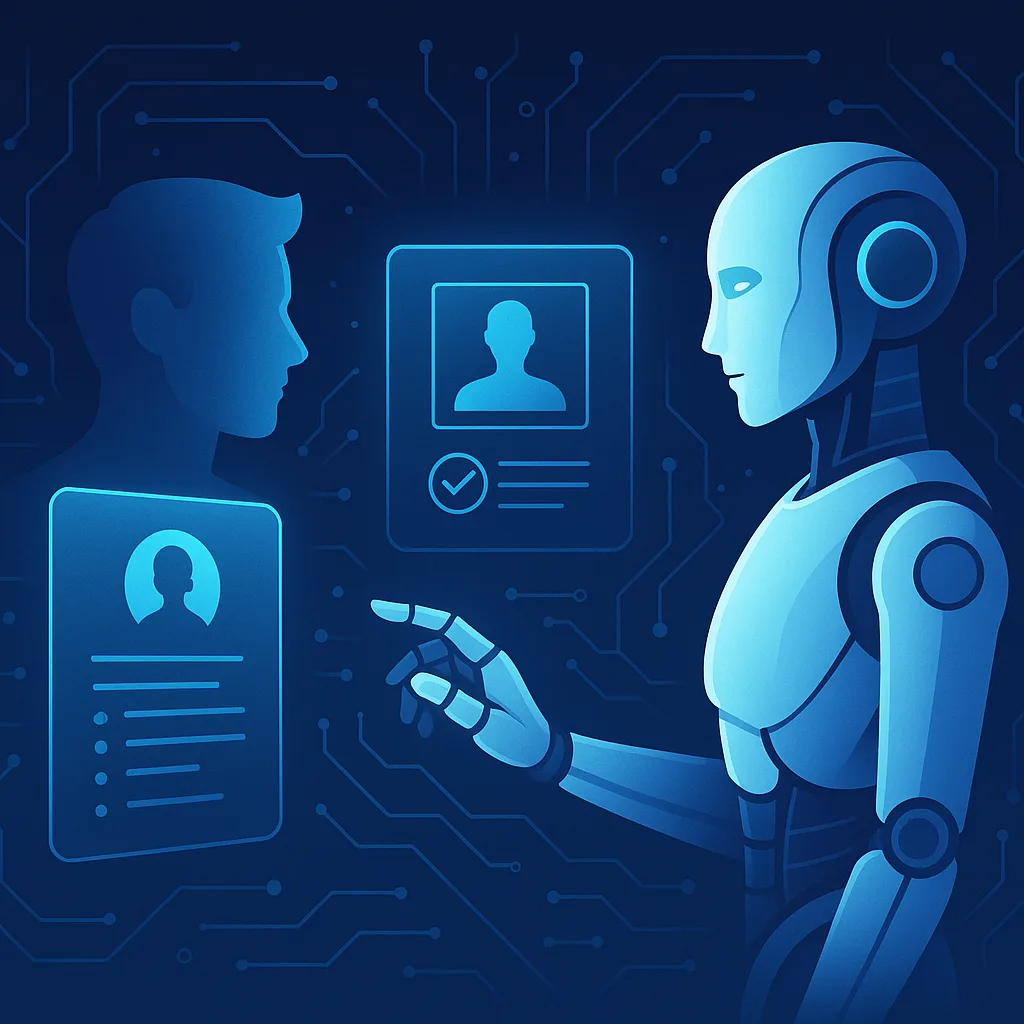
<h2>The Revolution in the Hiring Process</h2><p>In recent years, the hiring process has come under intense scrutiny. With the advancement of artificial intelligence and automation, many companies have begun to question the effectiveness of traditional resumes. Motiv, an innovative hiring platform, has emerged with a bold proposal: to eliminate the need for a resume in the selection process. But what does this mean for the future of work?</p><h3>The Problem with Resumes</h3><p>Resumes have been the norm for decades, but their effectiveness has been called into question. Many recruiters point out that resumes often do not accurately reflect a candidate's skills and experience. Furthermore, inherent biases in resume review can lead to unfair hiring decisions. Motiv aims to address these issues through a more direct, skills-based approach.</p><h3>How Does Motiv Work?</h3><p>Motiv's platform allows candidates to showcase their skills through practical projects and assessments instead of relying on a written document. This approach not only enables candidates to demonstrate their actual competence but also helps employers find the right talent without the biases that can arise from resume reviews.</p><h3>The Impact of AI on Hiring</h3><p>Artificial intelligence has begun to play a crucial role in the hiring process. Tools like those offered by Motiv use advanced algorithms to assess candidates more objectively. This not only improves the quality of hires but also speeds up the process, allowing companies to find the right talent more quickly.</p><h3>The Future of Hiring</h3><p>As more companies adopt innovative approaches like Motiv's, we may be witnessing the end of the traditional resume. However, this raises new questions about how talent will be evaluated in the future. Should companies adopt an entirely new approach or combine it with traditional methods? The answer to this question could define the future of work.</p>