MIT Non-AI License: A Paradigm Shift
Explore how the new MIT Non-AI License redefines ethics and the use of AI.
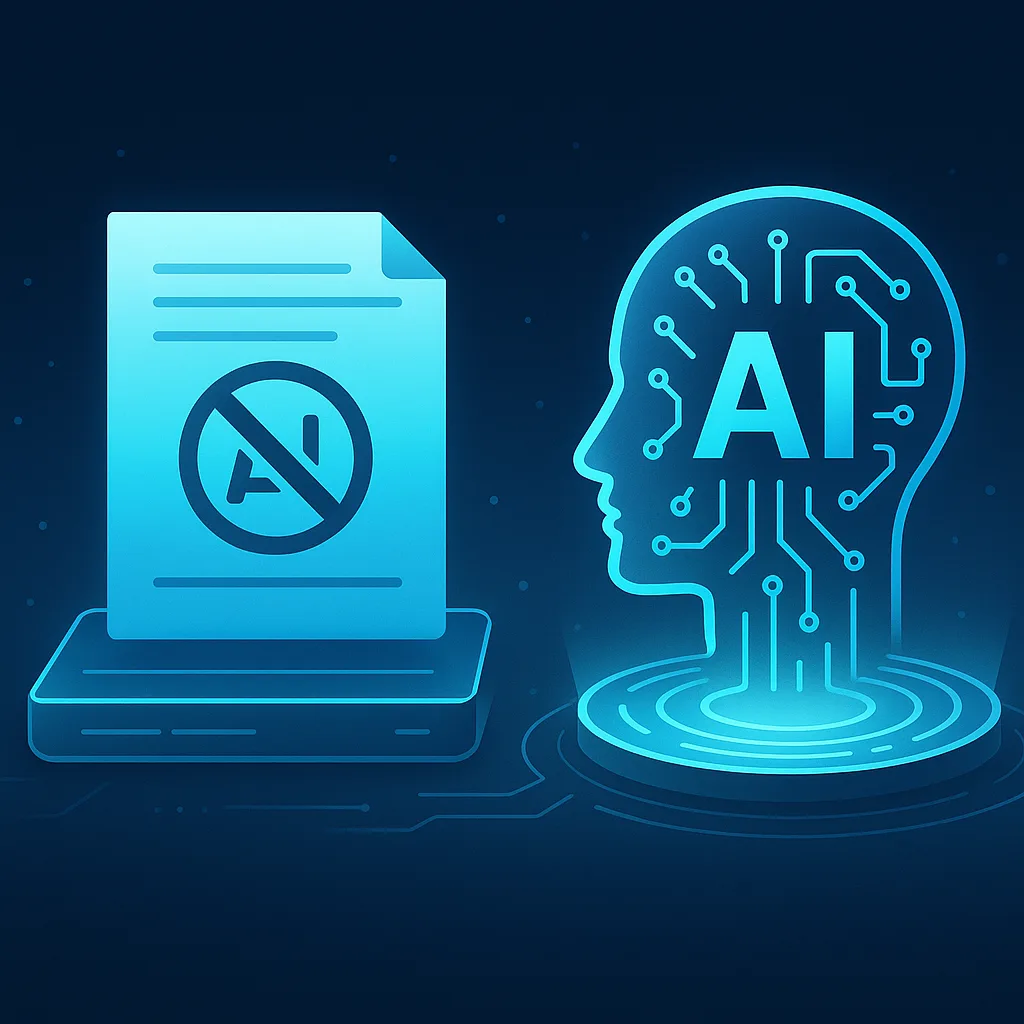
<h2>Introduction to the MIT Non-AI License</h2><p>In a world where artificial intelligence (AI) is constantly evolving and expanding, the Massachusetts Institute of Technology (MIT) has boldly taken a step forward by introducing the Non-AI License. This initiative marks a significant shift in how AI technologies are developed and utilized, setting a new ethical and practical standard.</p><h3>Historical Context</h3><p>Since the early days of AI, there has been a debate about the ethical implications of its use. Growing concerns about AI's potential to cause harm, whether through algorithmic biases, privacy invasion, or job automation, have led academic institutions and companies to reconsider their approach.</p><h3>What is the Non-AI License?</h3><p>The MIT Non-AI License stipulates that any technology or application developed under its name cannot be used for AI-related purposes. This includes the use of machine learning algorithms, neural networks, and any form of automation that substitutes or mimics human intelligence. This decision aims to protect humanity from the detrimental effects of excessive reliance on AI.</p><h3>Impact on the Tech Community</h3><p>The introduction of this license has profound implications. First, it raises the question of how companies and researchers will approach the development of new technologies. With the Non-AI License, developers must be more conscious of how their products may affect society and the environment.</p><h3>Sector Reactions</h3><p>Reactions to the Non-AI License have been mixed. Some in the tech community see it as a positive step towards sustainable and ethical development. Others, however, argue that it could stifle innovation and the competitiveness of products developed at MIT.</p><h3>The Ethics in AI Development</h3><p>The ethics of artificial intelligence is a hot topic today. The MIT Non-AI License is an attempt to address ethical concerns surrounding AI use. By prohibiting the application of AI in projects stemming from its research, MIT sends a clear message about its commitment to social responsibility.</p><h3>The Future of AI and Innovation</h3><p>As the debate over AI ethics continues, it is essential to find a balance between innovation and responsibility. The MIT Non-AI License could serve as a model for other institutions and companies seeking a more responsible approach to technological development.</p><h3>Conclusions</h3><p>The MIT Non-AI License is not only a milestone in the history of artificial intelligence but also raises critical questions about the future of technology in our lives. As we move toward a future where AI will play an even more significant role, we must consider how we can use it responsibly and ethically.</p>