MIT Introduces Non-AI License: A Radical Shift in the Industry
MIT's new Non-AI License transforms technology development, impacting the future of artificial intelligence.
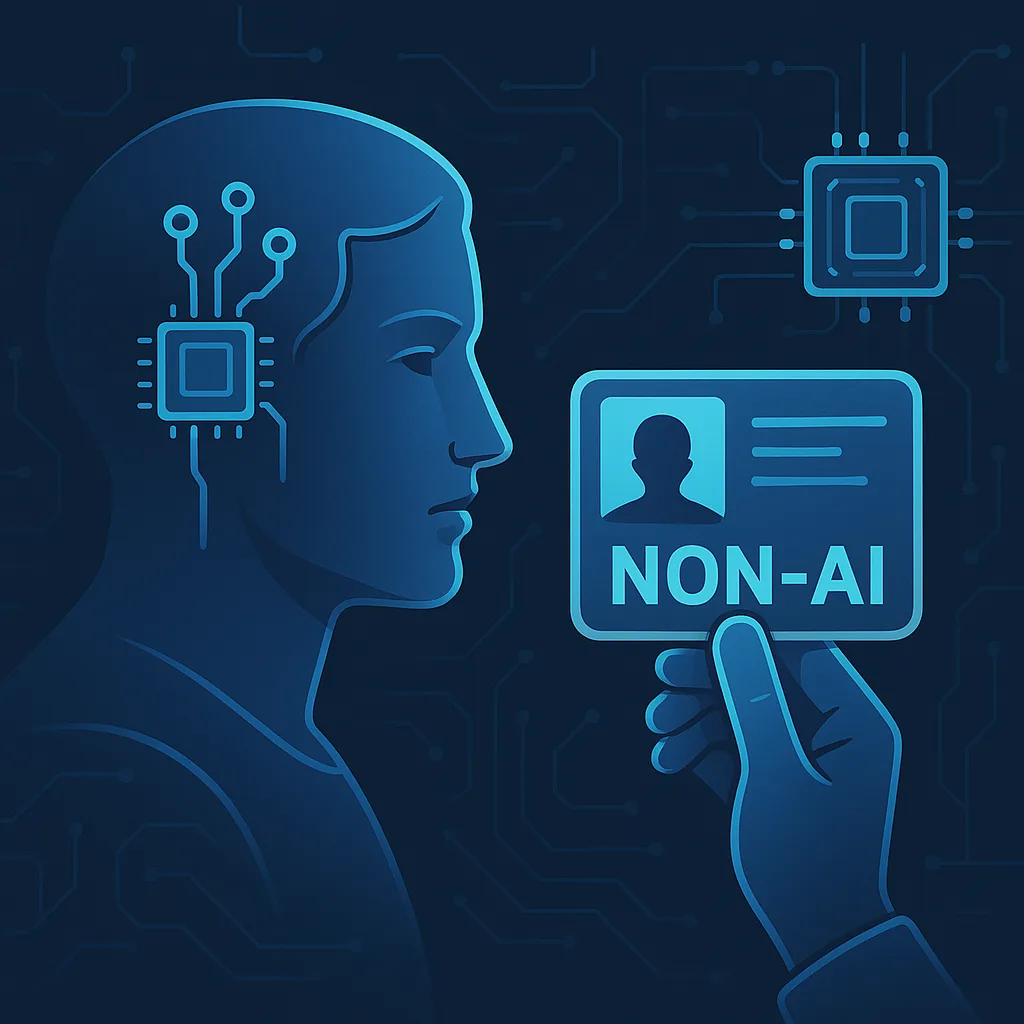
<h2>The MIT Non-AI License: A Deep Dive Analysis</h2><p>In a move that has shaken the tech industry, the Massachusetts Institute of Technology (MIT) has announced its new Non-AI License. This license primarily aims to restrict the use of technologies developed under its umbrella in artificial intelligence (AI) applications. This article examines the implications of this decision and its potential impact on the future of AI and technological innovation.</p><h3>Context of the Non-AI License</h3><p>The Non-AI License arises in a context where AI is omnipresent in sectors like health, education, and business. MIT, globally recognized for its leadership in research and innovation, has decided to put a brake on the participation of its technological developments in the AI realm, arguing that the accelerated advancement of this technology could lead to unintended consequences.</p><h3>Reasons Behind the Decision</h3><p>Among the reasons given by MIT are ethical and security concerns. AI, if not properly regulated, can perpetuate biases, invade privacy, and create systems that escape human control. With the Non-AI License, MIT seeks to ensure that its research is used responsibly and ethically.</p><h3>Reactions from the Tech Community</h3><p>The tech community has reacted mixedly to this decision. Some experts applaud MIT’s proactive approach, while others criticize it for limiting innovation. The primary concern is that this license could create a gap between what can be developed and what is genuinely needed in the market.</p><h3>Impact on the Future of AI</h3><p>The impact of the Non-AI License could be significant. By restricting the use of its technologies, MIT may influence how AI applications are developed and utilized in the future. The decision could prompt other academic institutions to consider similar measures, leading to a wave of new licenses prioritizing ethics in AI.</p><h3>Opportunities and Challenges</h3><p>Despite the challenges it presents, the Non-AI License also opens the door to new opportunities. With a focus on ethics, companies may be driven to create more responsible and transparent AI solutions. This could set a new standard in the industry, where innovation and ethics coexist.</p><h3>Conclusion</h3><p>The introduction of MIT’s Non-AI License is a bold step toward creating a more ethical technological environment. While concerns about its impact on innovation exist, MIT’s decision could be the necessary catalyst for positive change in how AI is developed and implemented.</p>