MIT Non-AI License: A Shift in Technology Regulation
MIT's new Non-AI License raises questions about ethics and the future of artificial intelligence.
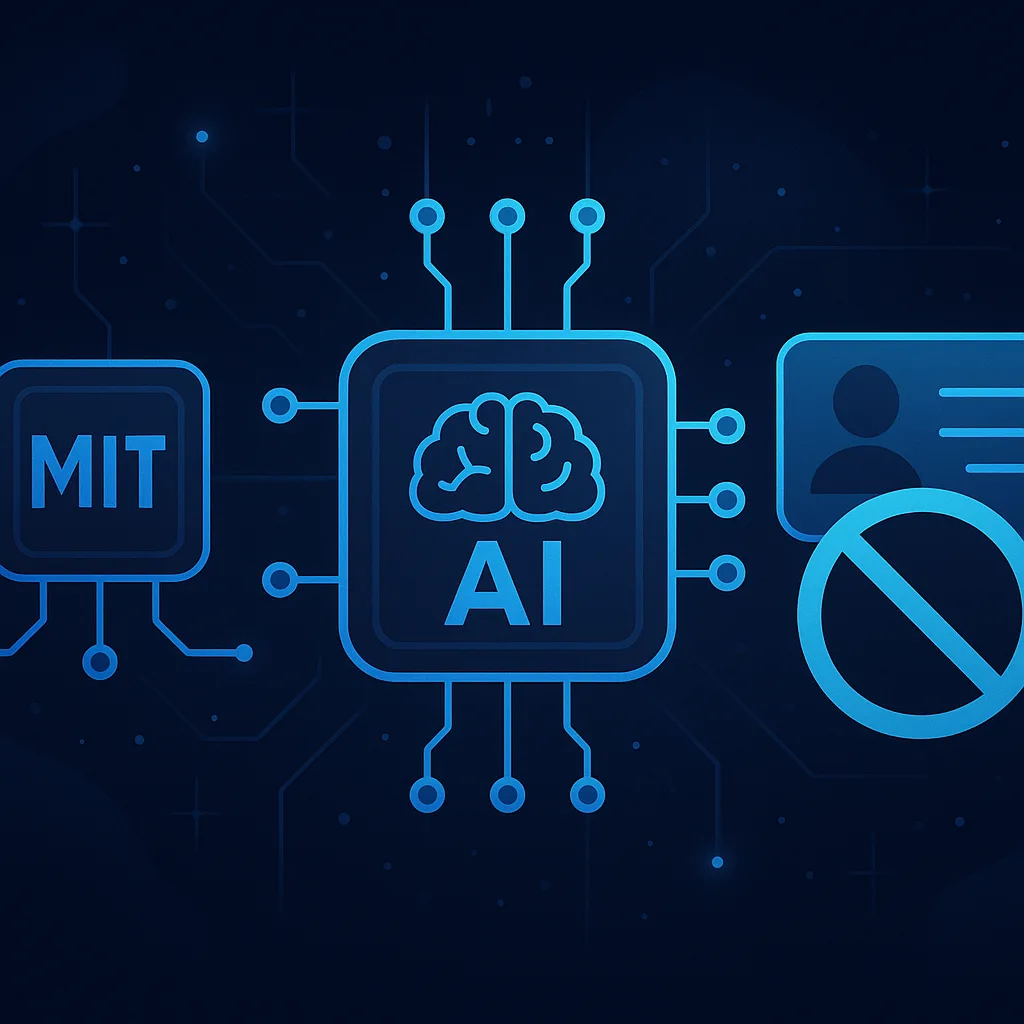
<h2>Introduction to the Non-AI License</h2><p>MIT has introduced the Non-AI License, an initiative aimed at regulating the use of artificial intelligence in academic and commercial projects. This move has sparked widespread debate about ethics in AI usage and its impact on society. The Non-AI License stipulates that technology developers are prohibited from employing artificial intelligence in their applications, promoting a return to more traditional and safer practices in software development.</p><h3>Historical Context</h3><p>Since the advent of artificial intelligence, there has been an ongoing debate about its regulation. MIT, known for its innovative approach, has decided to take a proactive stance by implementing this license. The academic community has begun to question whether AI should be an omnipresent tool or if boundaries need to be established. The Non-AI License is a result of these discussions and seeks to address concerns about algorithmic bias, privacy, and data security.</p><h2>Implications of the License</h2><p>The Non-AI License has several implications for the tech industry. Firstly, it limits the use of technologies that rely on AI algorithms, which could affect startups and companies that have heavily invested in these technologies. Furthermore, this regulation might incentivize developers to explore more traditional solutions, fostering innovation in areas that have been overshadowed by AI.</p><h3>Industry Reactions</h3><p>Reactions to the Non-AI License have been mixed. Some experts view this as a necessary step towards more ethical and responsible technology development. Others, however, fear that limiting AI usage may stifle progress and the competitiveness of American companies in the global arena. This debate aligns with broader concerns about technology regulation and the need for a legal framework that protects users.</p><h2>The Future of AI Regulation</h2><p>With the introduction of this new license, MIT may be paving the way for future regulation of artificial intelligence. As more educational institutions and companies begin to adopt similar approaches, we are likely to see a significant shift in how technology is developed and implemented. The discussion around ethics and responsibility in AI is more relevant than ever, and MIT's Non-AI License is just the beginning.</p>