Revolutionary AI: OpenAI Launches GPT-5.6 Sol, Terra, Luna
OpenAI has unveiled the GPT-5.6 series featuring Sol, Terra, and Luna models, setting a new AI standard under U.S. regulatory oversight. Currently available to limited preview partners, these models promise to transform the tech landscape.
Key Takeaways
OpenAI launches GPT-5.6 under U.S. government oversight.
Sol, Terra, and Luna offer options for reasoning, enterprise applications, and lightweight use.
Regulation could become the standard for future AI releases.
Competitive pricing will influence business adoption.
Safety and regulation are the priority in deploying these models.
1What Does the GPT-5.6 Launch Mean for the AI Industry?
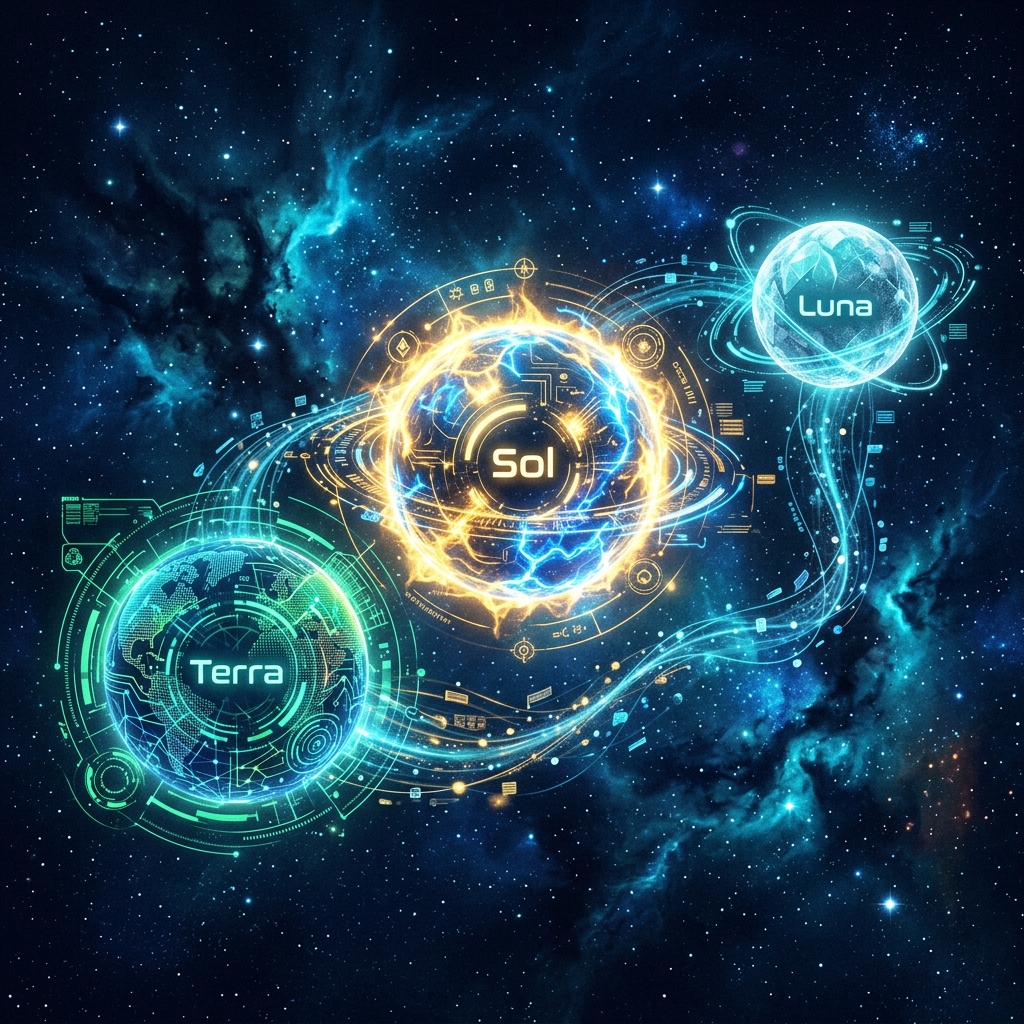
On June 26, 2026, OpenAI unveiled its GPT-5.6 series, a family of models including Sol, Terra, and Luna. This launch represents not only a technological leap but also a strategic shift in OpenAI's approach to AI models. Moving away from the traditional 'nano' and 'mini' labels, the company has opted for a capability-based classification: Sol for advanced reasoning, Terra for balanced enterprise applications, and Luna for lightweight and fast usage.
This paradigm shift comes at a time when government regulation is becoming crucial in the development and deployment of artificial intelligence. Under an executive order from President Trump, issued on June 2, 2026, all AI models must undergo federal safety assessment before being released to the public. This means that, for now, only about 20 government-approved organizations have access to these models.
🧠 What Does Each Variant Offer?
- **Sol**: This is the flagship model focused on advanced reasoning, achieving a record score of 91.91% on TerminalBench 2.1 in Ultra mode. Its processing capability is impressive, with 750 tokens per second on Cerebras hardware.
- **Terra**: Designed for enterprise applications, it offers a balance between performance and cost, priced at $17.50 per million tokens.
- **Luna**: A lightweight and fast model, ideal for projects with time and resource constraints, available at $7 per million tokens.
🔍 Market Impact Analysis
The introduction of these models not only intensifies market competition, especially with rivals like Anthropic and Google, but also sets a new standard in terms of security and regulation. The increased regulatory attention reflects concerns over the misuse of these technologies, classified as 'high' risk due to their cyber and biological capabilities.
🌍 Geopolitical and Economic Context
The GPT-5.6 launch occurs in a global environment where governments are increasingly involved in AI regulation. This regulatory approach could become a template for future AI releases in the U.S. and possibly other countries. Additionally, the models' pricing, which varies based on their capabilities, could significantly influence how businesses choose to implement AI in their operations.
📊 Key Data Points
"Sol achieved a record score of 91.91% on TerminalBench 2.1 in Ultra mode, processing 750 tokens per second on Cerebras hardware."
- Model pricing: Sol $35, Terra $17.50, Luna $7 per million tokens.
- Public availability depends on the finalization of the White House's voluntary AI standards by mid-July 2026.
🤔 Contrarian Perspectives
While many see regulatory intervention as a necessary measure to ensure safety, some critics argue it might slow innovation. Additionally, the 'high' risk classification could deter some businesses from adopting these models despite their advanced capabilities.