Why Boring Businesses Outlast AI Hype Cycles
We explore how traditional businesses can survive and thrive despite the rise of AI.
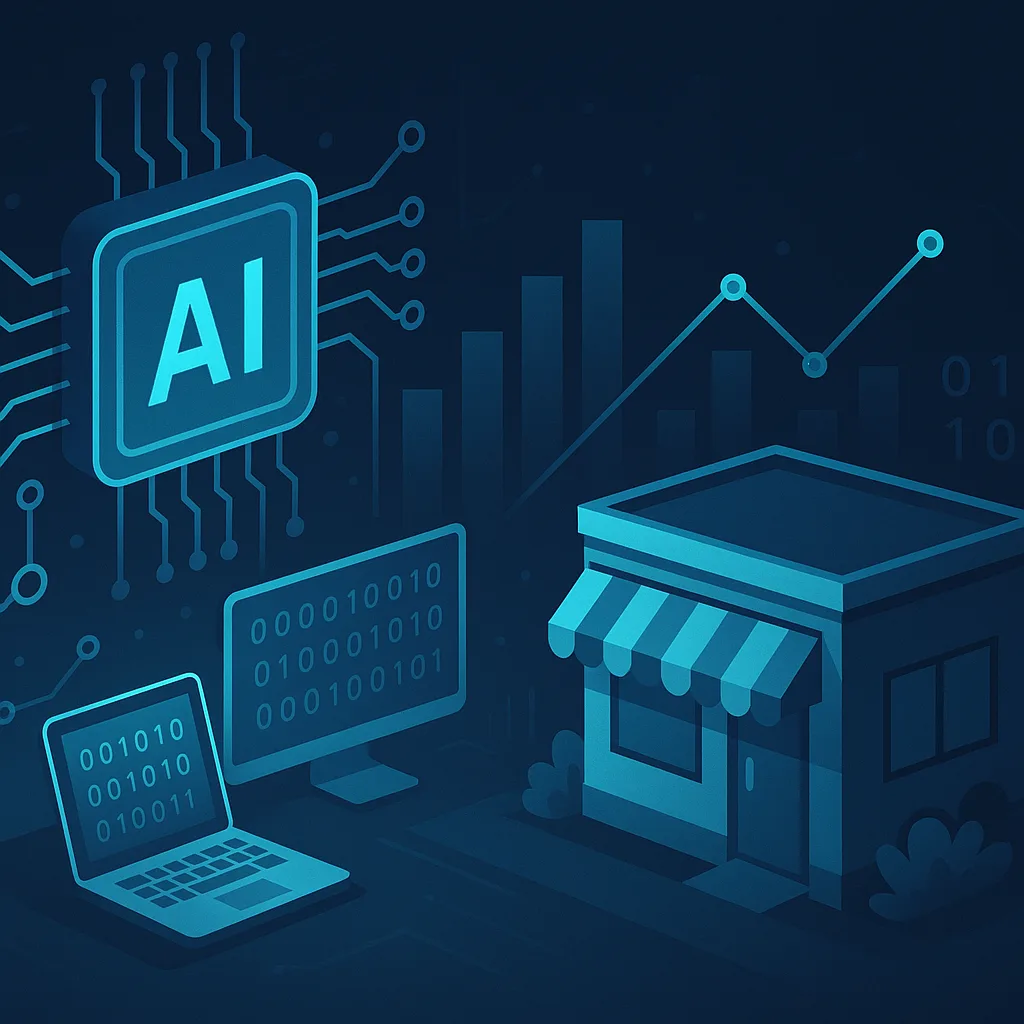
<h2>Introduction</h2><p>In the fast-paced world of artificial intelligence (AI), it’s easy to get lost in the noise and fleeting trends. However, there’s an interesting phenomenon: businesses that could be considered 'boring' seem to exhibit remarkable resilience against the hype cycles associated with AI. In this article, we will analyze the reasons behind this phenomenon and what lessons startups and emerging companies can learn.</p><h2>Hype Cycles and Their Impact on Businesses</h2><p>The Gartner Hype Cycle is a model that describes the adoption and evolution of emerging technologies. In its initial phase, expectations are extremely high, but they often fade when reality fails to meet these expectations. This can be devastating for companies that focus exclusively on trendy innovations.</p><h3>Effects on Startups</h3><p>Startups that launch based on the latest AI trend may face significant challenges. Often, these companies require substantial investment and may not have a solid business model. When the hype fades, many of these startups are forced to shut down. In contrast, traditional businesses that focus on providing essential products and services can continue to thrive even in times of uncertainty.</p><h2>The Value of Stability</h2><p>Businesses that are considered boring, such as manufacturing, agriculture, and certain services, tend to have stable and predictable business models. This not only allows them to withstand market fluctuations but also provides the opportunity to invest in long-term innovation without the pressure to meet immediate investor expectations.</p><h3>Success Stories</h3><p>Consider the example of an agricultural company that has been utilizing sustainable farming techniques. While it may not be the most exciting startup, its focus on sustainability has allowed it to differentiate itself and attract a loyal market. As environmental awareness grows, this business finds itself in a prime position to capitalize on the trend without having to rely on AI.</p><h2>Innovation in Traditional Businesses</h2><p>Contrary to popular belief, boring businesses can also be innovative. Innovation doesn’t always come from the latest technology; it can arise from optimizing existing processes. For example, logistics companies have been using AI technologies to enhance their operations, yet their business model remains fundamentally traditional.</p><h3>Integrating AI into Established Businesses</h3><p>Companies with a solid foundation can integrate AI more effectively. Instead of being driven by trends, these companies can use AI to improve efficiency, reduce costs, and provide better customer service. This integration can be more sustainable and less volatile than startups that rely entirely on AI as their value proposition.</p><h2>Conclusion</h2><p>In a world where AI is in the spotlight, it’s essential to remember the value of traditional businesses. Those operating in areas deemed boring may have greater opportunities for long-term success. By focusing on stability, innovation, and the strategic integration of AI, these businesses can not only survive but thrive in an ever-changing business landscape.</p>