Why Boring Businesses Outlast AI Hype Cycles
An analysis of how traditional businesses survive AI hype.
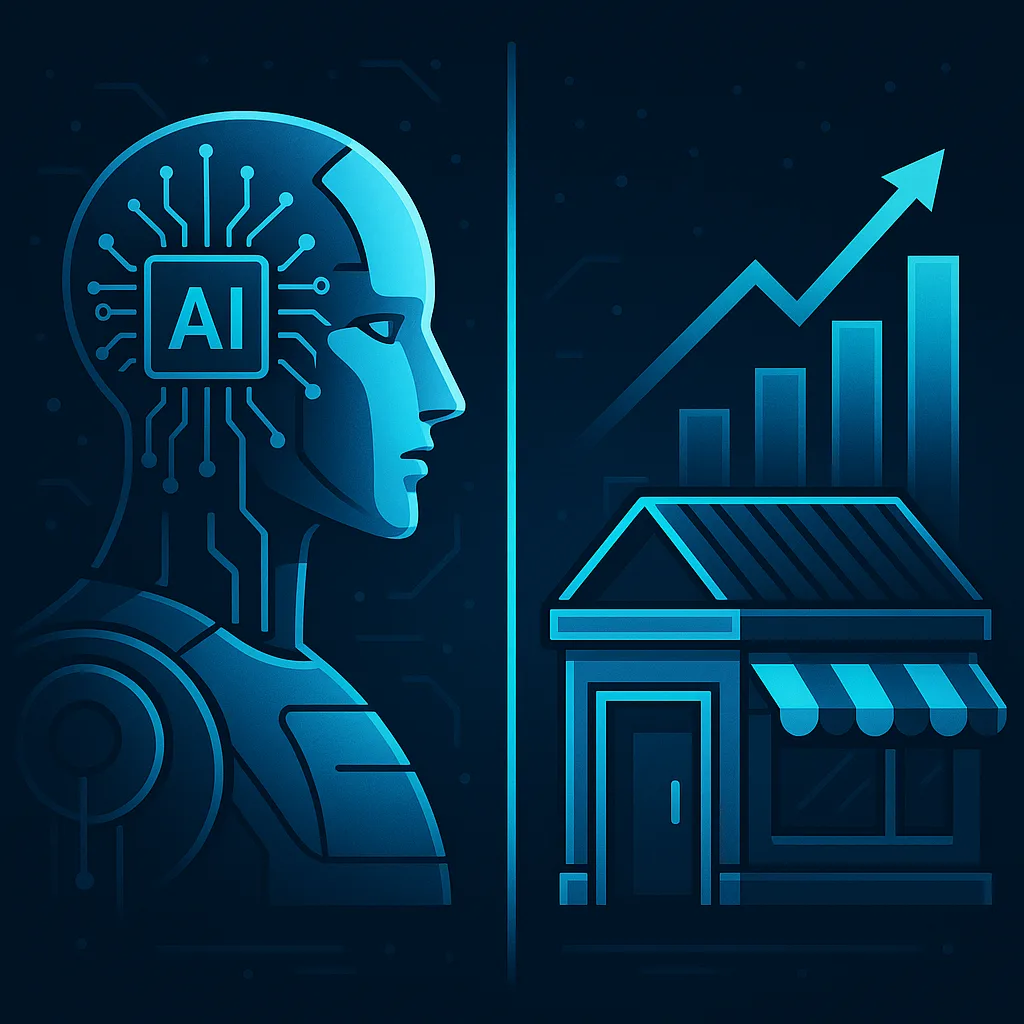
<h2>The Nature of Boring Businesses</h2><p>In today's world, where artificial intelligence (AI) captures the attention of entrepreneurs and investors, it is easy to overlook that the strongest businesses are often the least exciting. This phenomenon, where boring businesses outlast AI hype cycles, deserves special attention. While AI may offer innovative solutions, profitability and long-term stability are often found in less glamorous sectors.</p><h3>Resilience in Times of Change</h3><p>During times of economic uncertainty, boring businesses tend to show greater resilience. For example, during the 2008 financial crisis, many tech startups failed while companies producing basic consumer goods, such as food and cleaning products, survived and thrived. This is because their products are essential and will always have a market.</p><h3>The Impact of AI on Businesses</h3><p>AI has revolutionized numerous sectors, from healthcare to finance, but its implementation is not always easy. Many companies attempting to integrate AI into their operations face challenges such as lack of quality data, resistance to change, and the need for adequate technical infrastructure. Thus, while AI offers unparalleled opportunities, its adoption can be problematic.</p><h3>The AI Hype Cycle</h3><p>The AI hype cycle is characterized by initial exaggeration followed by disappointment when expectations are not met. This has led many companies to heavily invest in AI technologies without fully understanding their practical application. On the other hand, boring businesses tend to focus on continuous improvement and efficiency rather than seeking the next big novelty.</p><h2>Conclusions on Business Sustainability</h2><p>The lesson here is clear: innovation is important, but it should not be the sole strategy of a business. Entrepreneurs must balance the adoption of new technologies with the stability offered by traditional business models. Ultimately, those who can combine the best of both worlds will be better positioned to thrive in the future.</p>