Why Boring Businesses Outlast AI Hype Cycles
We explore how traditional businesses remain relevant in the age of AI.
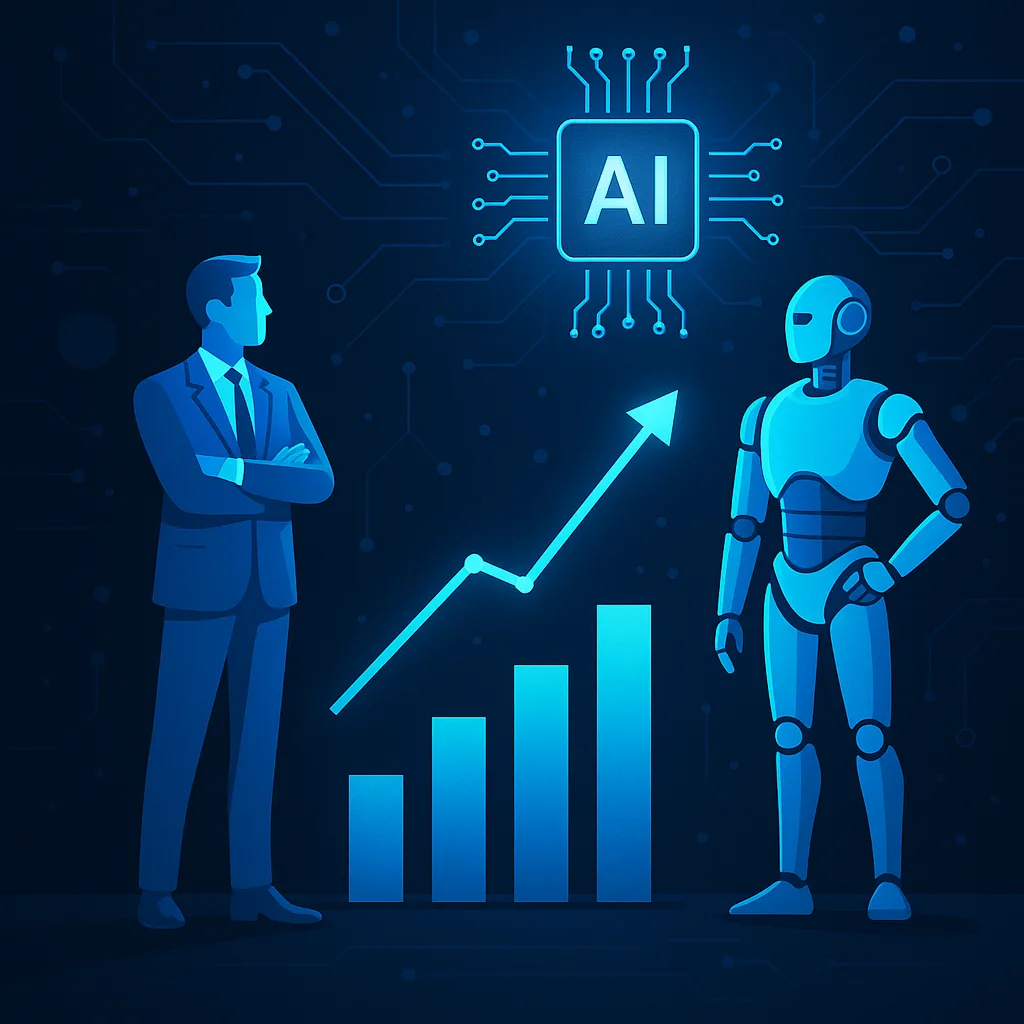
<h2>The Resilience of Boring Businesses</h2><p>In a world where artificial intelligence (AI) is constantly evolving and startups seem to spring up overnight, it is surprising to see how some traditional businesses manage to stay afloat. These businesses, often labeled as "boring," focus on services and products that aren't necessarily innovative but are essential for the daily functioning of society. In this article, we will delve into the reasons why these businesses outlast AI fads, exploring factors such as stability, consumer trust, and adaptability.</p><h3>What Are Boring Businesses?</h3><p>By boring business, we refer to those sectors that, while not glamorous or innovative, provide crucial services. Examples of these businesses include plumbing, electrical services, cleaning, and transportation. Often, these sectors do not experience the same volatility as tech startups, allowing them to persist through periods of economic uncertainty.</p><h3>Stability in a Changing World</h3><p>One of the main reasons why traditional businesses can withstand the pressure of AI is their stability. Unlike tech startups that can experience dramatic spikes and drops in investment and popularity, boring businesses often have a steady revenue stream. This is because they offer services that people need, regardless of market trends or technological innovations. People need running water, electricity, and transportation, no matter how advanced technology becomes.</p><h3>Consumer Trust</h3><p>Trust plays a crucial role in the longevity of these businesses. Consumers often feel more comfortable choosing companies with a long track record and an established reputation. In contrast, AI companies are often at the forefront of innovation, which can generate distrust among consumers who are skeptical about how their data will be used or how automated decisions will be made. Boring businesses, being more transparent and accessible, can earn the public's trust more easily.</p><h3>Adaptability and Resilience</h3><p>Despite their seemingly static nature, many boring businesses have proven to be surprisingly adaptable. For example, during the COVID-19 pandemic, many essential service companies quickly adapted to new regulations and changes in consumer behavior. They implemented safety measures, offered online services, and adjusted their offerings to meet the changing demands of customers. This ability to adapt is crucial for surviving in a constantly changing business environment.</p><h3>The Intersection of AI and Boring Businesses</h3><p>While it is clear that boring businesses have advantages in terms of stability and trust, this does not mean they should reject AI. In fact, many of these companies are beginning to integrate AI technologies to optimize their operations. For instance, cleaning companies are using AI to better manage their schedules and resources, while plumbing companies can utilize apps to track issues and respond more quickly to customer needs. The key is to find a balance between tradition and innovation.</p><h3>The Future of Boring Businesses in the Age of AI</h3><p>Looking ahead, it is likely that boring businesses will continue to thrive, even in an AI-dominated world. The need for essential services will not disappear, and over time, these businesses will be able to leverage AI to their advantage. Rather than being replaced by technology, they can become partners with it, improving efficiency and customer satisfaction. Therefore, instead of viewing boring businesses as a relic of the past, we should recognize their importance and their ability to adapt and excel in a constantly changing environment.</p>