Why Boring Businesses Outlast AI Hype Cycles
Explore how traditional businesses navigate and thrive in an AI-driven world.
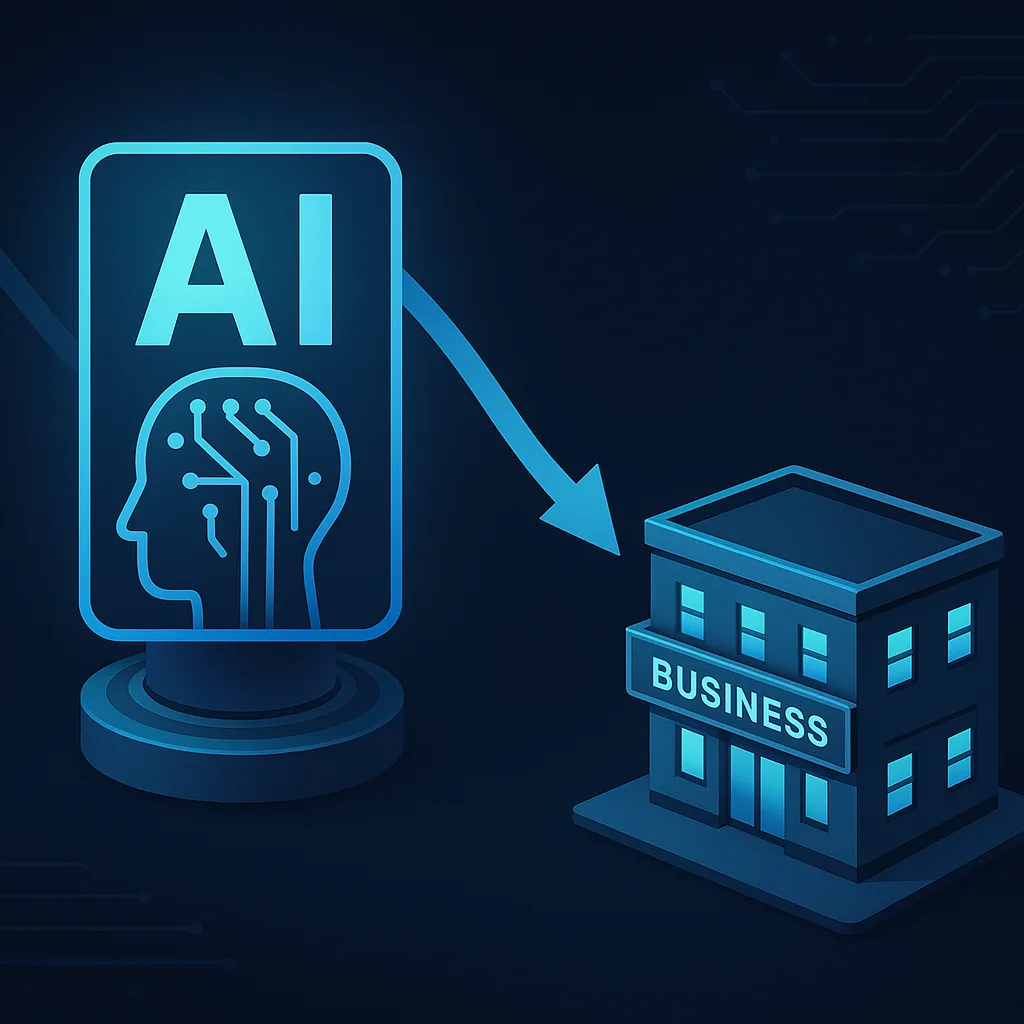
<h2>The Resilience of Boring Businesses</h2><p>In a world where artificial intelligence (AI) is at the forefront of innovation, it seems everyone is obsessed with the next big trend. However, there is a type of business that often goes unnoticed: boring businesses. These businesses, while not glamorous, have a resilience and stability that allows them to thrive even amidst AI hype cycles. This article explores why these businesses are crucial and how they manage to survive and grow in a competitive environment.</p><h3>Defining Boring Businesses</h3><p>Boring businesses are those that operate in traditional industries such as manufacturing, logistics, or utilities. They are often characterized by their focus on efficiency and continuous improvement rather than disruptive innovation. While AI startups may attract the attention of investors and the media, these businesses are typically more focused on meeting fundamental needs and operating sustainably.</p><h3>The Advantage of Stability</h3><p>One of the main advantages of boring businesses is their stability. In times of economic uncertainty, companies that provide essential products and services tend to maintain a loyal customer base. For example, utility companies that provide electricity and water are less susceptible to market fluctuations than tech startups. This stability allows boring businesses to plan for the long term and make strategic investments that may not be possible for more volatile companies.</p><h3>Adaptability and Evolution</h3><p>While they may not be the most exciting, boring businesses are often highly adaptable. For instance, many logistics companies have adopted AI technologies to optimize their operations. By integrating AI into their processes, they can enhance efficiency and reduce costs, enabling them to compete with more innovative firms. This adaptability is crucial for their long-term success.</p><h3>The Value of Experience</h3><p>Boring businesses often have accumulated experience that gives them an edge over new entrants. This experience pertains not only to market understanding but also to building strong relationships with suppliers and customers. For example, a manufacturing company that has been in business for decades may have access to quality materials at lower prices due to its history with suppliers. This advantage can be challenging for new startups to replicate.</p><h3>The Importance of Sustainability</h3><p>In an environment where consumers are increasingly aware of the environmental impact of their choices, boring businesses are often in a unique position to lead in sustainability. Many traditional companies have been implementing sustainable practices for years, allowing them to attract consumers who value social responsibility. As more startups seek to meet sustainability expectations, traditional businesses can position themselves as leaders in this area.</p><h3>Success Stories</h3><p>An excellent example of a boring business that has thrived is the agriculture industry. As more people worry about food security and sustainability, agricultural companies that have adopted sustainable practices and advanced technologies have seen an increase in demand. These companies may not be the most exciting, but their focus on efficiency and sustainability has allowed them to grow.</p><h3>Conclusion</h3><p>In conclusion, while AI and innovation are exciting and attract attention, we must not underestimate the importance of boring businesses. Their stability, adaptability, and experience allow them to thrive in a constantly changing world. Rather than being overlooked, these businesses should be recognized as fundamental pillars of the modern economy. The resilience of boring businesses is a reminder that sometimes true innovation lies in continuous improvement and the ability to adapt to changing circumstances.</p>