Why Boring Businesses Outlast AI Hype Cycles
A deep analysis of how traditional businesses outlast the AI hype.
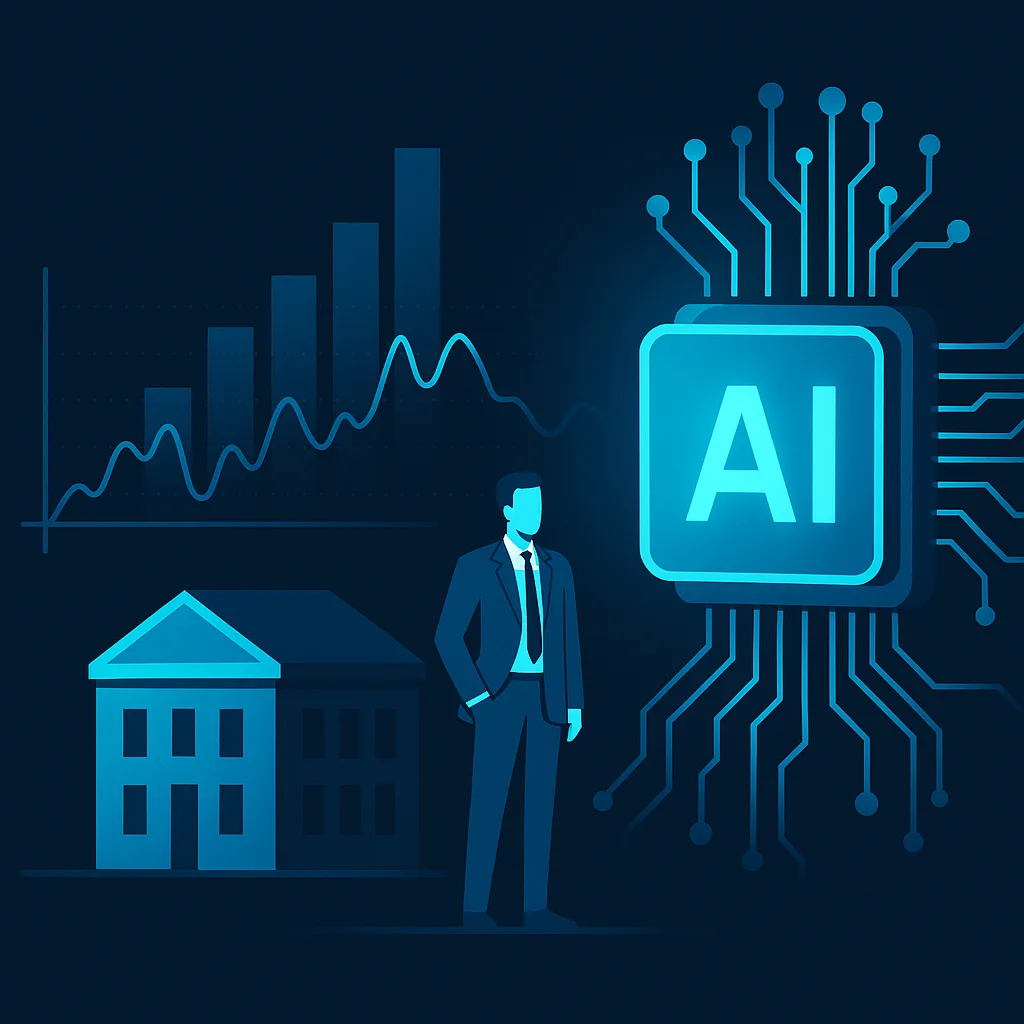
<h2>Introduction</h2><p>In today's era, where artificial intelligence (AI) is in the spotlight, it is easy to overlook that not all technological innovations translate into immediate success. This article explores why businesses considered 'boring' often prove more resilient and successful in the long run compared to emerging tech startups focused on AI.</p><h2>The Nature of Boring Businesses</h2><p>Boring businesses, such as manufacturing, logistics, and utilities, often rely on proven and stable business models. These sectors may not be as exciting or innovative as new AI startups, but their reliability and stability make them economic pillars. Unlike AI startups, which often depend on the latest tech fad, boring businesses focus on building strong customer relationships and delivering consistent services.</p><h3>Examples of Thriving Boring Businesses</h3><p>A great example of a boring business that has thrived over the years is the construction industry. Despite the advent of new technologies like automation and AI, construction firms that have effectively utilized these advances while continuing to focus on project management and quality of work have proven more successful than those simply trying to chase the latest tech trend.</p><h2>The AI Hype Cycle</h2><p>The hype cycles in AI are often driven by novelty and excitement. However, as these emerging technologies are adopted in the market, many startups face significant challenges. Often, the implementation of AI requires deep cultural and structural changes within organizations, which can be a major hurdle. Additionally, many of these startups rely on external funding, and when enthusiasm for AI wanes, so too does funding.</p><h3>Challenges Facing AI Startups</h3><p>One of the biggest challenges AI startups face is the lack of a clear business model. Often, these companies focus on developing technology without a proper understanding of how to monetize it. This approach can lead to the creation of products that have no defined market or that do not solve real problems for consumers.</p><h2>Resilience and Adaptability</h2><p>Resilience is key to survival in business. Boring businesses often face economic crises and market changes, allowing them to adapt and evolve. On the other hand, many AI startups lack the experience and structure necessary to navigate tough times. This underscores the importance of experience and knowledge in business management.</p><h3>The Importance of Experience</h3><p>Established and older businesses have an edge in terms of market experience and knowledge. This experience allows them to anticipate changes in demand and adapt accordingly. For example, transportation companies that have used AI to optimize their operations have been able to do so thanks to their prior understanding of the industry and their customers' needs.</p><h2>Conclusion</h2><p>In conclusion, while AI is undoubtedly an exciting and growing area, boring businesses that have existed for decades possess a strength and resilience that often enables them to outlast tech fads. The key to long-term success lies in a combination of adaptability, experience, and a customer-centric approach. While AI startups may attract attention and capital, it is often the boring businesses that guarantee stability and sustained growth.</p>