Why Boring Businesses Outlast AI Hype Cycles
Traditional and boring businesses have advantages over AI startups in sustainability and profitability.
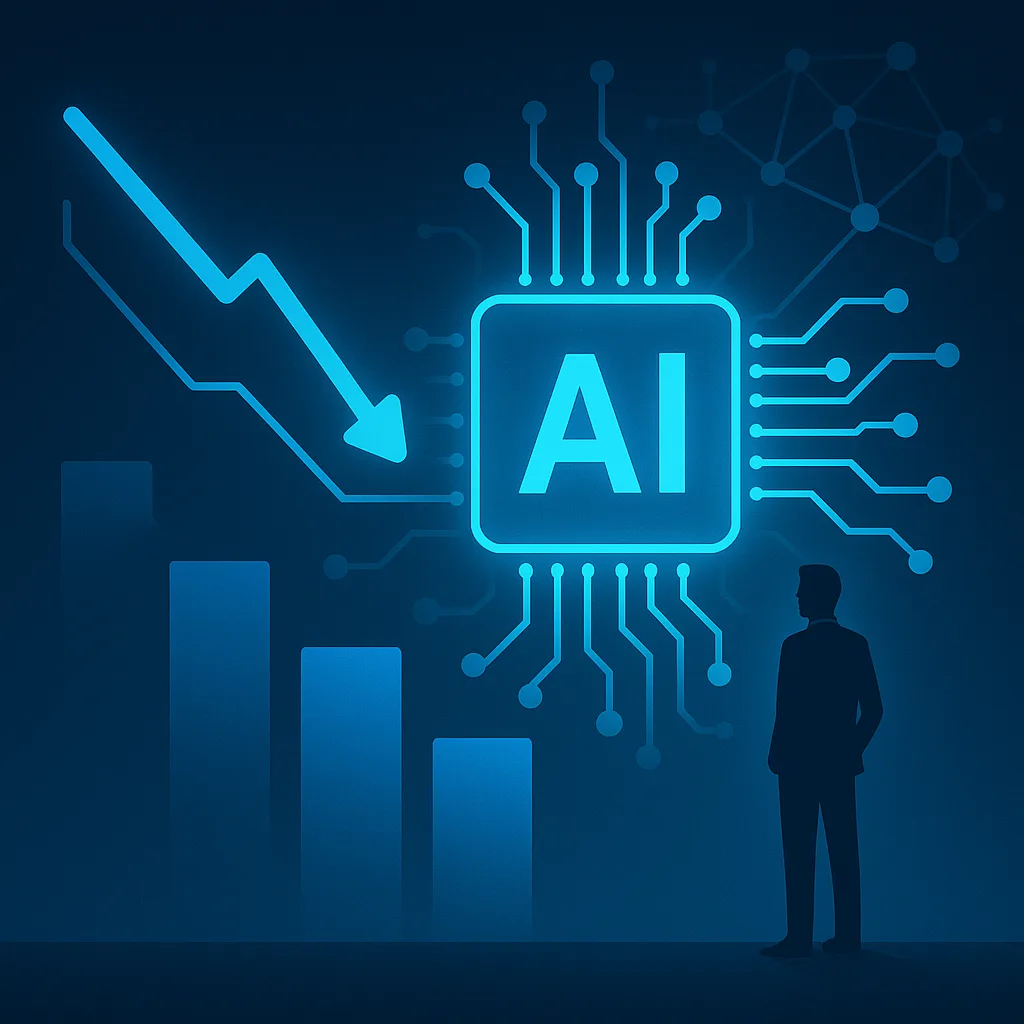
<h2>Introduction to AI and Hype Cycles</h2><p>In the fast-paced world of artificial intelligence (AI), the trend is to think that new technologies will always outperform the old. However, the reality is that many businesses we might consider "boring" have shown remarkable resilience against the volatility of technological fads. This article explores why these traditional companies can be more sustainable in the long run compared to AI startups, which tend to be subject to cycles of hype and disillusionment.</p><h2>The AI Hype Cycle</h2><p>The AI hype cycle is a well-documented phenomenon where a new technology generates significant interest and inflated expectations, often followed by a decline in investment and interest when those expectations are not met. This cycle can be destructive for startups that have not built a solid business model. Boring companies, on the other hand, tend to have stable revenue streams and a more traditional approach to their operations, allowing them to weather these ups and downs.</p><h3>Examples of Boring Companies</h3><p>Utility companies, insurance providers, and manufacturers of basic goods are examples of businesses that may not seem exciting but are essential to the economy. These companies tend to experience steady and predictable growth, enabling them to invest in innovation at a pace not dictated by fads. In contrast, many AI startups are seeking rapid growth and, in their quest for innovation, may overlook the importance of stability and profitability.</p><h2>Resilience Through Simplicity</h2><p>One of the key reasons why boring businesses can outlast AI companies is their focus on simplicity and efficiency. These businesses often utilize business models that have proven effective for decades and focus on meeting basic consumer needs. This allows them to maintain a loyal customer base and generate revenue consistently, regardless of technological trends.</p><h3>Investments in Innovation</h3><p>While AI startups often seek venture capital to scale quickly, boring companies can reinvest their profits into innovation more sustainably. This strategy allows them to adapt to market changes without losing sight of their core business model. For instance, an insurance company may incorporate AI tools to improve its claims process but without sidelining the importance of customer service and personalized attention.</p><h2>The Role of Talent</h2><p>Talent is another crucial factor determining a company's success. Boring companies often have more stable organizational structures and well-established hiring processes, allowing them to attract and retain talent effectively. In contrast, AI startups frequently face challenges in building cohesive and sustainable teams, which can lead to high employee turnover and loss of critical knowledge.</p><h3>Adaptability and Continuous Learning</h3><p>Boring companies are also more likely to adopt a continuous learning approach, allowing them to adapt to changes in consumer behavior and the market environment. This is especially important in a world where technology and customer needs are constantly evolving. In contrast, many AI startups may find themselves trapped in their own innovation, losing sight of the actual needs of their users.</p><h2>Conclusion</h2><p>In conclusion, while AI and tech startups may seem like the future, boring businesses have much to teach us about sustainability and resilience in the business world. Their focus on stability, simplicity, investment in innovation, and talent management are valuable lessons for any entrepreneur or tech professional. In a business ecosystem that often feels dominated by the excitement of the latest novelty, sometimes it’s better to look to what is tried and true.</p>