Why Boring Businesses Outlast AI Hype Cycles
Exploring how traditional businesses survive and thrive in the AI era.
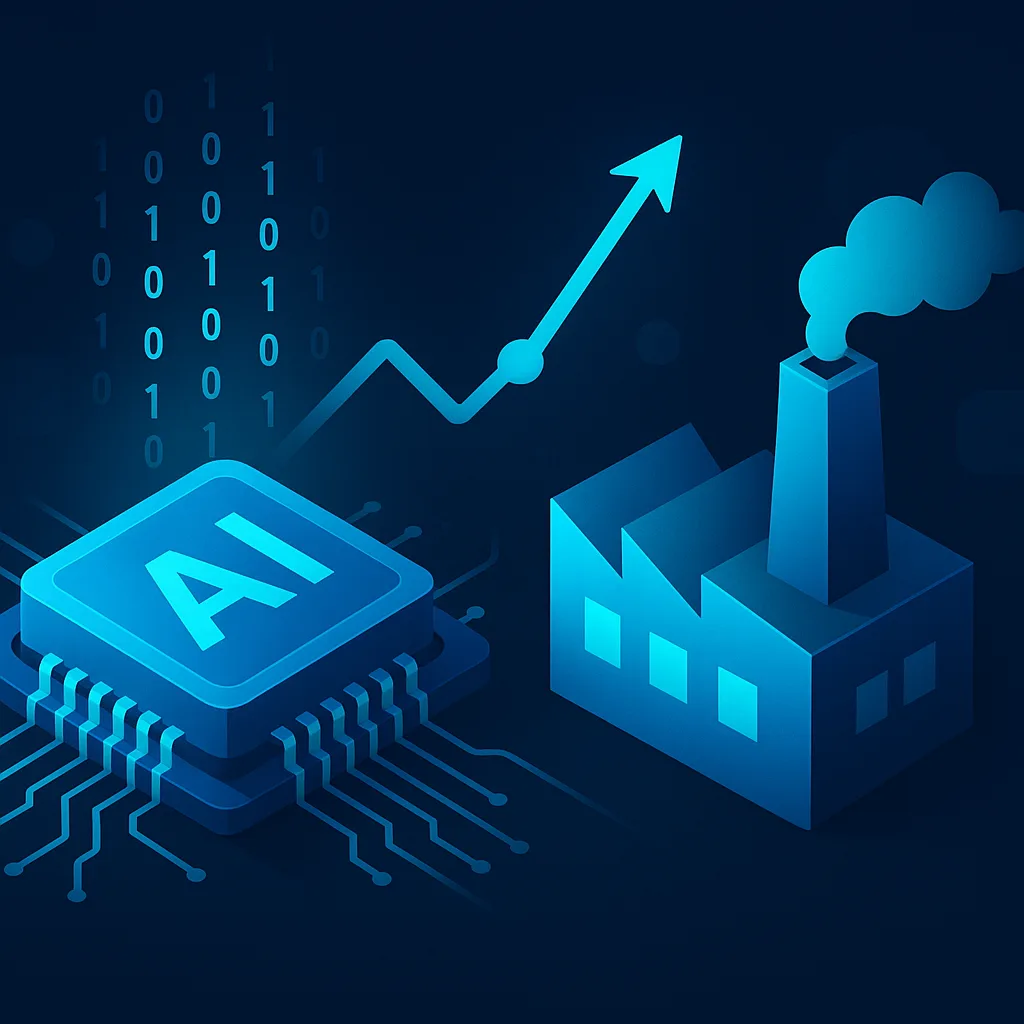
<h2>The Resilience of Boring Businesses</h2><p>In the age of artificial intelligence (AI), it’s easy to get swept up in the excitement surrounding new technologies and innovative startups. However, a deeper analysis reveals that businesses often deemed "boring" frequently outperform new players in the AI industry. Why does this happen? In this article, we will explore the reasons behind this trend, analyzing concrete examples and the factors that contribute to the resilience of these traditional companies.</p><h3>The Nature of Boring Business</h3><p>Boring businesses are characterized by their stability, predictability, and often, their critical necessity. Sectors like construction, agriculture, and manufacturing may not be thrilling compared to AI startups, but they are essential to the economy. These industries have a steady income stream and are less susceptible to market fluctuations. For instance, a construction company may not attract the same attention as a new AI application, but its solid business model and ability to adapt to market needs make it extremely resilient.</p><h3>Adaptation to Technology</h3><p>A critical aspect that allows boring businesses to outperform AI startups is their ability to adopt emerging technologies without losing their essence. Many of these companies are implementing AI tools to optimize their operations, improve efficiency, and reduce costs. For example, agricultural firms are using sensors and data analysis to enhance crop yields, while factories are using AI to predict supply chain issues. This enables them to remain competitive without completely altering their business model.</p><h3>Experience and Industry Knowledge</h3><p>Experience is another key factor. Boring businesses often have years, if not decades, of experience in their field. This deep knowledge allows them to make informed decisions and avoid common mistakes that can plague new startups. While emerging companies may be full of innovative ideas, they often lack the necessary knowledge to implement them effectively. This contrast is especially evident in highly regulated industries, where expertise is crucial for navigating complex legal and regulatory requirements.</p><h3>Established Relationships</h3><p>Relationships with customers and suppliers are vital for the success of any business. Boring businesses often have a loyal customer base that has been with them for years. This loyalty translates to stability and trust, which are difficult to replicate for new startups. Companies that have been in the market for a long time can leverage these relationships to expand and adapt to market changes, while startups must work hard to establish their reputation.</p><h3>Resilience in Times of Crisis</h3><p>Times of crisis, such as the COVID-19 pandemic, have demonstrated the resilience of boring businesses. Many of these companies have been able to adapt quickly to new realities, maintaining their operations and, in some cases, even thriving. On the other hand, many AI startups faced difficulties due to their reliance on investment and market uncertainty. This ability to adapt is crucial for long-term survival.</p><h3>Conclusion</h3><p>In summary, while artificial intelligence and innovative startups are garnering much attention, we must not underestimate the value and resilience of boring businesses. Their stability, adaptability, experience, and established relationships allow them to thrive in a competitive environment. As we move forward in the age of AI, it is crucial to recognize the importance of these traditional businesses and learn from their resilient approach.</p>