Why Boring Businesses Outlast AI Hype Cycles
We explore how traditional businesses outlast the excitement of AI and its implications.
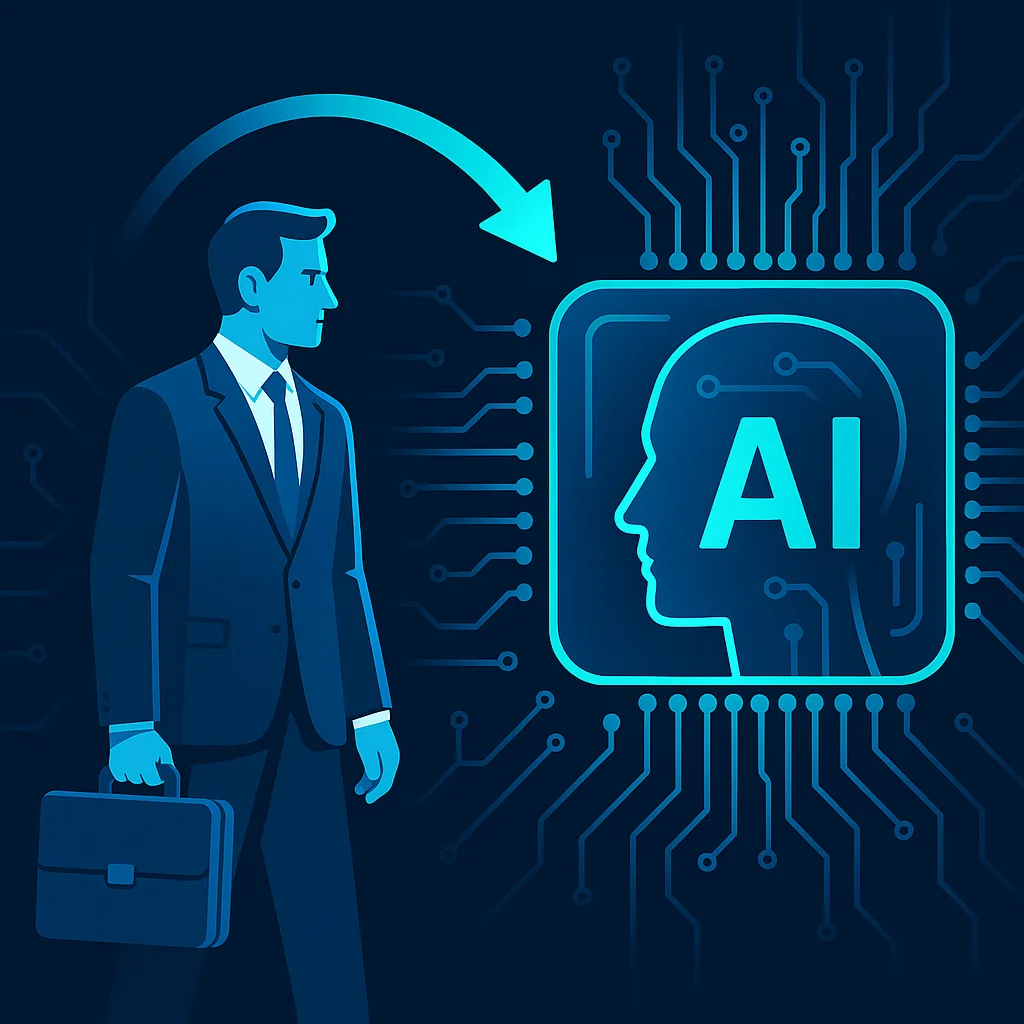
<h2>Introduction</h2><p>In today's world, where artificial intelligence (AI) has captured the attention of entrepreneurs, investors, and consumers, it's easy to overlook that not all technological innovations have an immediate and lasting impact. A recent article has analyzed why businesses considered 'boring' tend to survive the hype cycles of AI. This piece delves into the reasons behind this trend and what lessons we can learn from it.</p><h2>The Nature of AI and Its Lifecycle</h2><p>AI, as a concept, has existed for decades, but its popularity has fluctuated in cycles. From 'AI winters' to the current euphoria, interest in AI has been marked by unrealistic expectations and exaggerated promises. However, as companies begin to implement AI solutions, many face unexpected challenges. These include a lack of quality data, resistance to change within the organization, and difficulty measuring the return on investment (ROI) of AI initiatives.</p><h3>The Promise of AI and the Reality</h3><p>Despite the promise of AI, many companies that have heavily invested in AI technologies have found that results do not always meet expectations. For instance, process automation may seem like a dream come true, but implementation can be costly and problematic. In contrast, businesses offering more traditional services or products, while appearing boring, often have proven models that have demonstrated sustainability over time.</p><h2>Success Stories in Boring Businesses</h2><p>Businesses that may seem boring, such as the utility industry or manufacturing, often have the advantage of established processes and a loyal customer base. These sectors tend to evolve slowly, implementing incremental improvements rather than relying on disruptive solutions.</p><h3>Lessons from the Utility Industry</h3><p>A clear example is the utility industry. While not the most exciting, utility companies have gradually adopted technologies, ensuring that each new implementation is well-aligned with their operational capabilities. Stability and reliability are paramount in this sector, which is why these companies tend to resist the pressure to rapidly adopt the latest technological trends.</p><h2>The Role of Business Resilience</h2><p>Resilience is a key attribute that enables boring businesses to thrive. Companies that have been in the market for decades have learned to adapt to changes in the environment, whether through regulation, competition, or technology. This ability to adapt is crucial when facing the uncertainty that often accompanies new technologies like AI.</p><h3>Adaptability vs. Innovation</h3><p>Businesses that do not solely focus on innovation but also value adaptability tend to have more long-term success. This means that instead of blindly following the latest technological trend, these companies carefully evaluate how a new technology can integrate into their existing processes.</p><h2>Conclusion</h2><p>In summary, while artificial intelligence has the potential to transform entire industries, we must not underestimate the importance of traditional businesses. As AI continues to evolve, it is crucial for companies to learn from the more boring business models that have proven their ability to survive and thrive in a changing world. The key to success may not lie in adopting the latest technological novelty but in the ability to adapt and evolve consistently.</p>