Why Boring Businesses Outlast AI Hype Cycles
We explore how traditional businesses withstand technological fads better than AI.
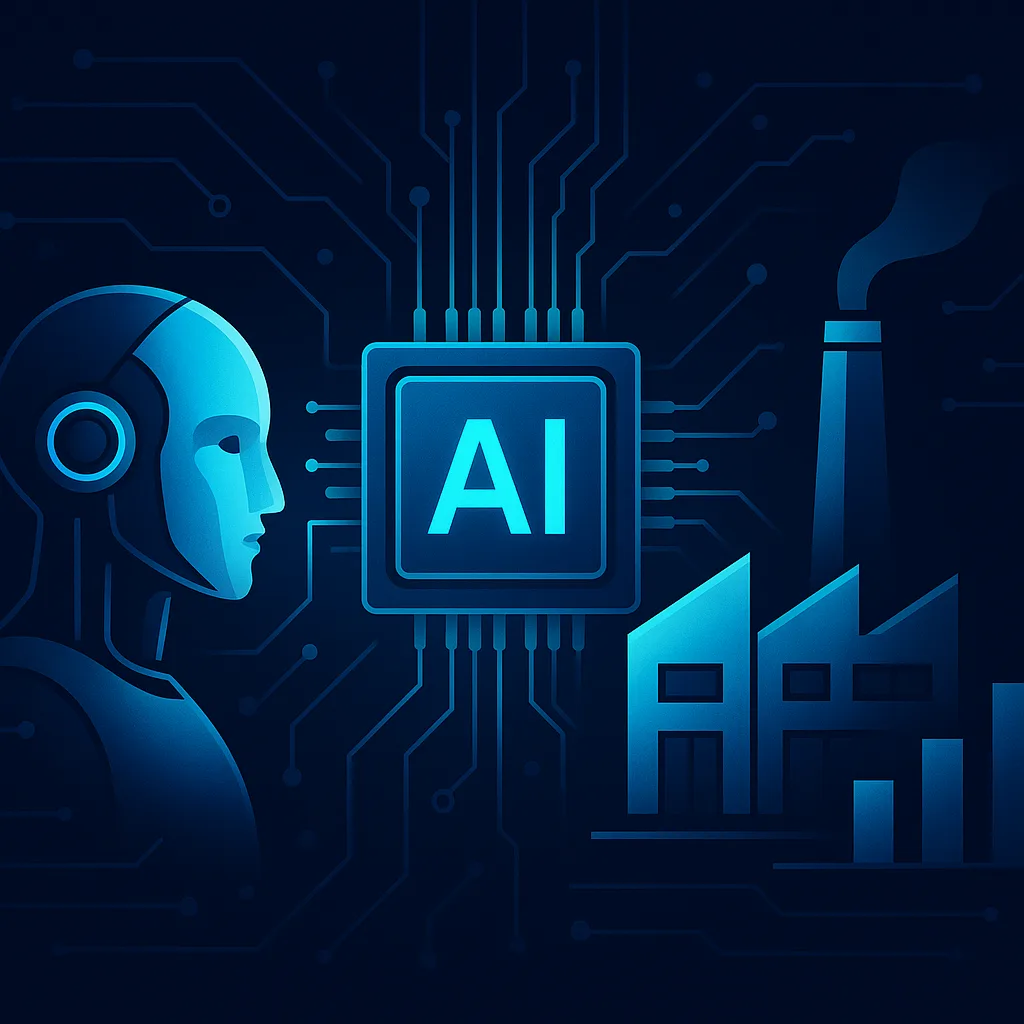
<h2>The Resilience of Boring Businesses</h2><p>In a world where artificial intelligence seems to dominate the technological conversation, it’s easy to forget that many traditional businesses have been the true pillars of the economy. These "boring businesses" are those that, while they may lack the excitement of the latest AI technology, have a sustainable business model and a loyal customer base. Often, these businesses are more resilient and capable of adapting to market changes because they focus on quality, efficiency, and customer satisfaction rather than the constant pursuit of the latest technological novelty.</p><h2>What Are Boring Businesses?</h2><p>Boring businesses include industries such as manufacturing, agriculture, and utilities. These sectors are essential to the economy as they provide goods and services that people rely on daily. Often, these businesses concentrate on optimizing processes and reducing costs, allowing them to remain competitive in the long run. In contrast, AI and tech startups often face investment cycles that can inflate rapidly and then deflate, leaving many entrepreneurs in the lurch.</p><h3>The AI Hype Cycle</h3><p>Artificial intelligence has been in the spotlight for the past decade, with promises of revolutionizing entire industries. However, as expectations have outstripped reality, many AI startups have struggled to deliver on their promises. This has led to a hype cycle where companies rush into AI without a clear understanding of how to implement it effectively. In contrast, boring businesses understand that innovation doesn’t always mean adopting the latest technology but improving what already exists.</p><h2>Advantages of Boring Businesses</h2><p>The primary advantage of boring businesses is their stability. These businesses do not rely on external investment to survive. They often have steady income streams and can operate with higher profit margins than their tech counterparts. Moreover, they have built strong relationships with their customers, allowing them to retain their customer base even in tough times.</p><h3>Adaptation to Change</h3><p>Boring businesses are also experts at adapting to market changes. Many of these businesses have been operating for decades, giving them an edge in understanding market trends and consumer needs. While AI companies may be forced to pivot quickly to stay relevant, boring businesses have the flexibility to implement changes gradually.</p><h2>The Future of Boring Businesses</h2><p>As technology advances, boring businesses are likely to continue thriving. With increasing automation and digitization, there are opportunities for these businesses to integrate new technologies without losing their essence. For example, implementing data analytics tools can help optimize production and the supply chain without the need for a radical change in the business model.</p><h3>Conclusion</h3><p>The lesson here is clear: while AI and technology are exciting, they should not overshadow the importance of traditional businesses. These businesses have proven their worth over time and have much to teach us about sustainability and resilience. Instead of getting swept up in the latest technological hype cycle, it’s vital for entrepreneurs and companies to recognize the value of building a solid business model that can withstand the test of time.</p>