Why Boring Businesses Outlast AI Hype Cycles
Explore how traditional businesses withstand market volatility better than AI.
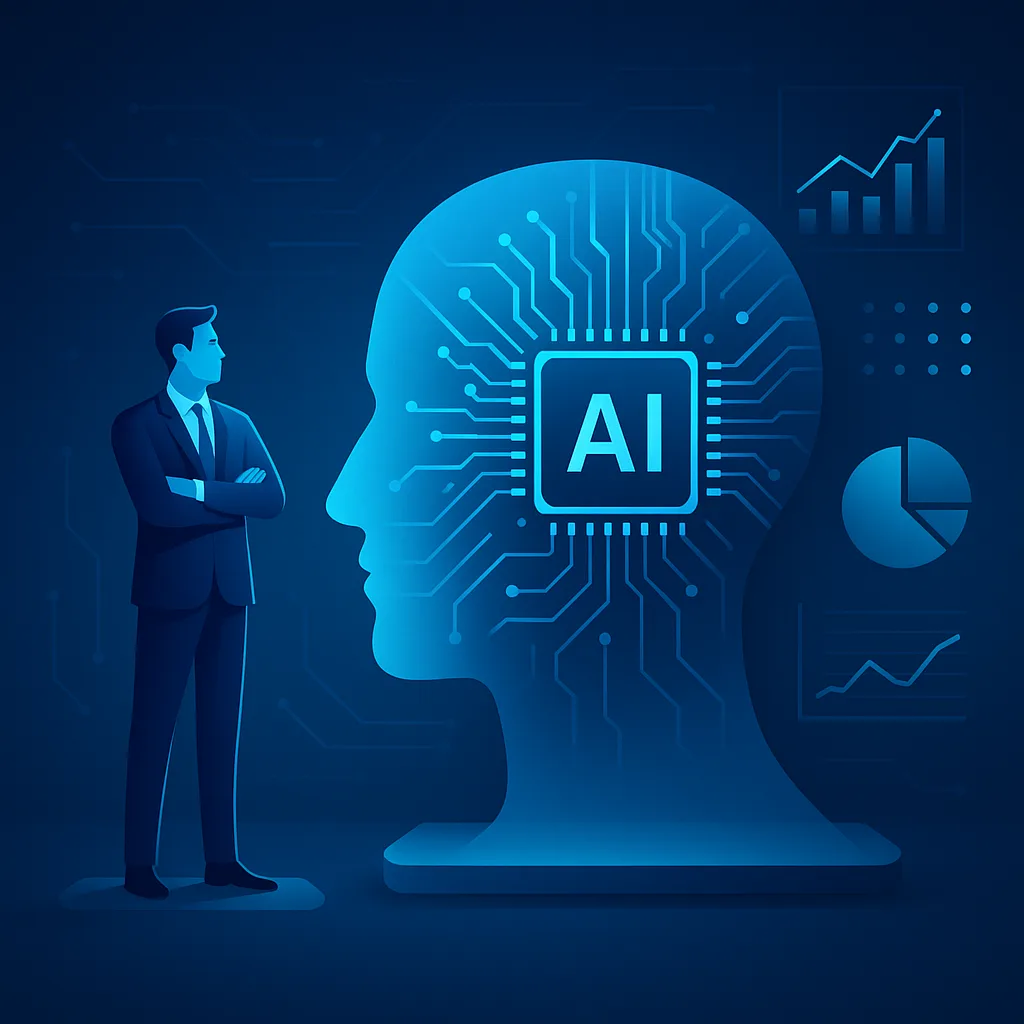
<h2>Introduction</h2><p>In the last decade, we have witnessed the rapid evolution of artificial intelligence (AI). The promises of AI have generated excessive enthusiasm, but at the same time, they have exposed the inherent volatility of this technology. However, an interesting trend is how traditional businesses are outperforming expectations and proving to be more resilient than many new tech entrants. This article dives deep into this dynamic and examines why traditional businesses often have advantages that AI-driven models cannot match.</p><h2>The AI Hype Cycles</h2><p>AI has experienced several hype cycles throughout its history. From its inception in the 1950s, where great advances were promised, to the recent boom of machine learning applications and natural language processing. However, every time expectations exceed reality, a "crash" occurs that leads to a reevaluation of the technology. This phenomenon has been observed multiple times, leaving many investors disappointed.</p><h3>The Reality Behind the Hype</h3><p>Despite constant innovation, many AI solutions face practical challenges, from implementation to scalability. Companies relying on AI often struggle to demonstrate long-term value. In contrast, traditional businesses, while potentially less exciting, offer stability and a solid foundation.</p><h2>The Resilience of Boring Businesses</h2><p>Businesses that are often deemed boring, such as utilities, manufacturing, and logistics, offer several benefits that AI-driven business models do not always provide. These include:</p><h3>Financial Stability</h3><p>Traditional companies often generate steady income, allowing them to better withstand economic crises. During times of uncertainty, consumers tend to trust established brands over new market entrants. This creates a cycle of trust that sustains these businesses.</p><h3>Lower Risk of Overexposure</h3><p>AI startups are often under pressure to remain relevant in a rapidly changing market. Boring businesses, on the other hand, can focus on continuous improvement of their operations without the need to constantly reinvent themselves.</p><h3>Long-Term Customer Relationships</h3><p>Businesses operating in traditional sectors often have deeper and more enduring relationships with their customers. This loyalty is crucial during times of change, as consumers return to brands they know and trust.</p><h2>The Duality of Innovation</h2><p>It is important to note that boring businesses are not averse to innovation. In fact, many of these companies are adopting new technologies, including AI solutions, but they do so in a way that complements their existing business model rather than replacing it. This allows them to benefit from AI efficiencies without sacrificing the stability offered by their traditional operations.</p><h3>Success Stories</h3><p>An example of this strategy is the logistics sector. Companies like FedEx have incorporated AI into their supply chain to optimize routes and reduce costs. However, their core business model remains very stable and reliable, allowing them to operate in a competitive environment without relying solely on the latest technology.</p><h2>Conclusion</h2><p>The hype cycles of AI are undeniable, but so is the resilience of traditional businesses. By offering stability, strong customer relationships, and a measured approach to innovation, boring businesses often outperform new AI players in the long run. In a world where volatility is the norm, the wisdom of boring may well be our best ally.</p>