Why Boring Businesses Outlast AI Hype Cycles
Exploring how traditional businesses thrive despite the rise of AI.
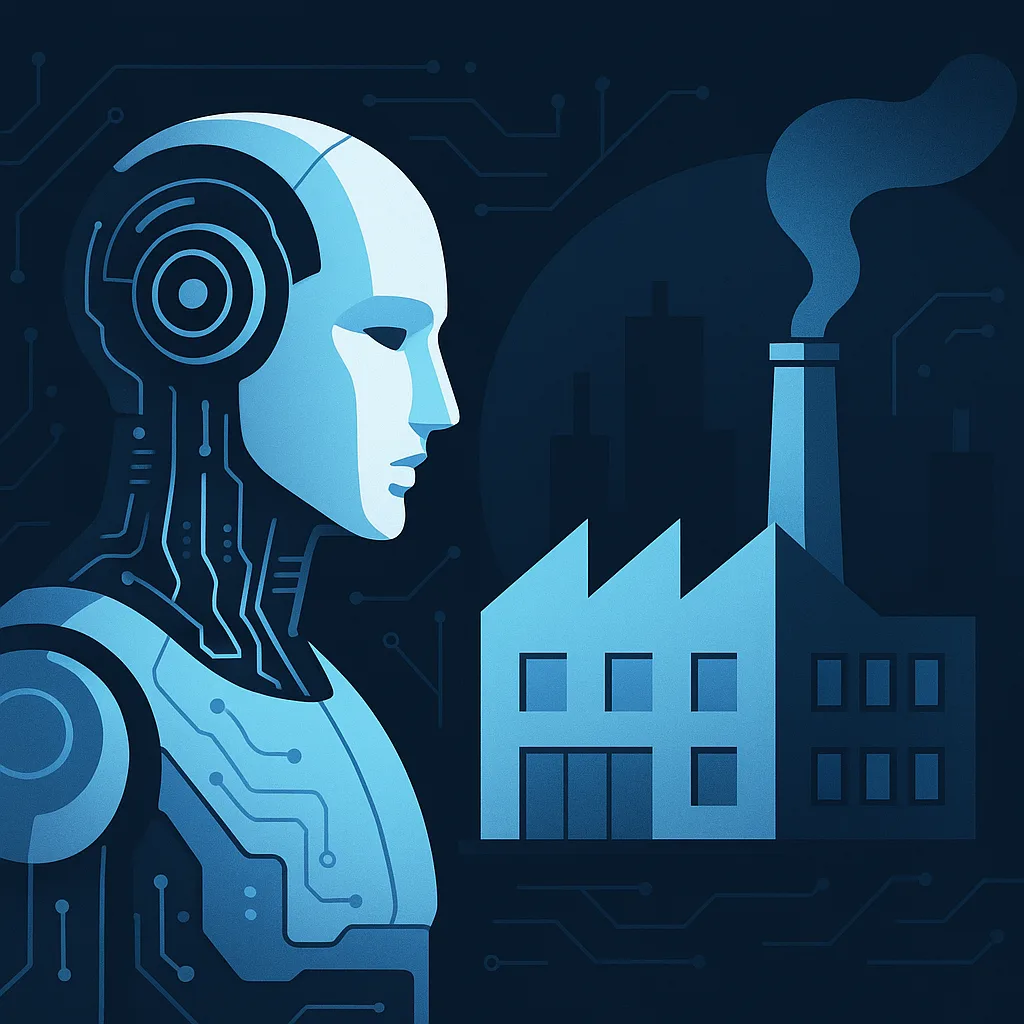
<h2>Introduction</h2><p>In a world where artificial intelligence (AI) has become the buzzword of the moment, it's easy to overlook that not all industries are driven by technological innovation. Some businesses, often deemed "boring," continue to be cornerstones of the economy. This article explores why these businesses can outlast hype cycles driven by AI and how they maintain their relevance in a constantly changing business environment.</p><h2>The Life Cycle of AI</h2><p>AI has gone through several hype cycles, from its conceptualization in the 1950s to recent advancements in machine learning and natural language processing. During each of these cycles, we have witnessed a surge in investment and media attention, followed by a decline when expectations fall short. This has led to a healthy skepticism surrounding the promises of AI.</p><h3>Expectations vs. Reality</h3><p>One of the most common issues in adopting new technologies is the discrepancy between expectations and reality. Many companies that rush to implement AI often encounter obstacles such as a lack of quality data, resistance to change from employees, and difficulties in integrating these solutions into their existing operations.</p><h2>The Resilience of Boring Businesses</h2><p>Despite the attention AI receives, businesses considered "boring"—such as manufacturing, logistics, and utilities—have proven to be remarkably resilient. These sectors often operate on tight margins and are driven by efficiency and stability, allowing them to survive market fluctuations and technological fads.</p><h3>Focus on Efficiency</h3><p>Companies in more traditional industries are often driven by a focus on efficiency. For example, logistics companies are using advanced technologies, but not necessarily AI, to optimize their routes and reduce costs. This pragmatic approach allows them to adapt and thrive without relying on technological promises that may not materialize.</p><h2>Stability in Times of Uncertainty</h2><p>Boring businesses often offer stability in times of economic uncertainty. During recessions, companies that provide essential services tend to maintain their demand. On the other hand, AI startups may struggle if they cannot demonstrate their value quickly. This can lead to a high failure rate in the startup sector, while more traditional businesses remain standing.</p><h3>The Importance of Adaptability</h3><p>While AI can offer innovative solutions, its implementation requires adaptability that not all companies possess. Boring businesses have developed the resilience necessary to adapt to changing market conditions. This includes the gradual adoption of technologies that complement their operations without compromising their stability.</p><h2>The Future of Boring Businesses</h2><p>As AI continues to evolve, we are likely to see greater integration of these technologies into more traditional businesses. However, this does not mean that boring businesses are at risk. In fact, they could benefit from strategically adopting AI, using technology to enhance their processes without losing sight of what makes them successful.</p><h3>Conclusion</h3><p>In summary, while artificial intelligence may be exciting and promising, it should not overshadow the importance of boring businesses that have proven to be cornerstones of the economy. These businesses have survived trend cycles and continue to thrive due to their focus on efficiency, stability, and adaptability. In a world where change is constant, their ability to stay relevant is a testament to the importance of fundamentals in the business world.</p>