Why Boring Businesses Outlast AI Hype Cycles
We analyze how traditional businesses outperform AI startups during current market hype cycles.
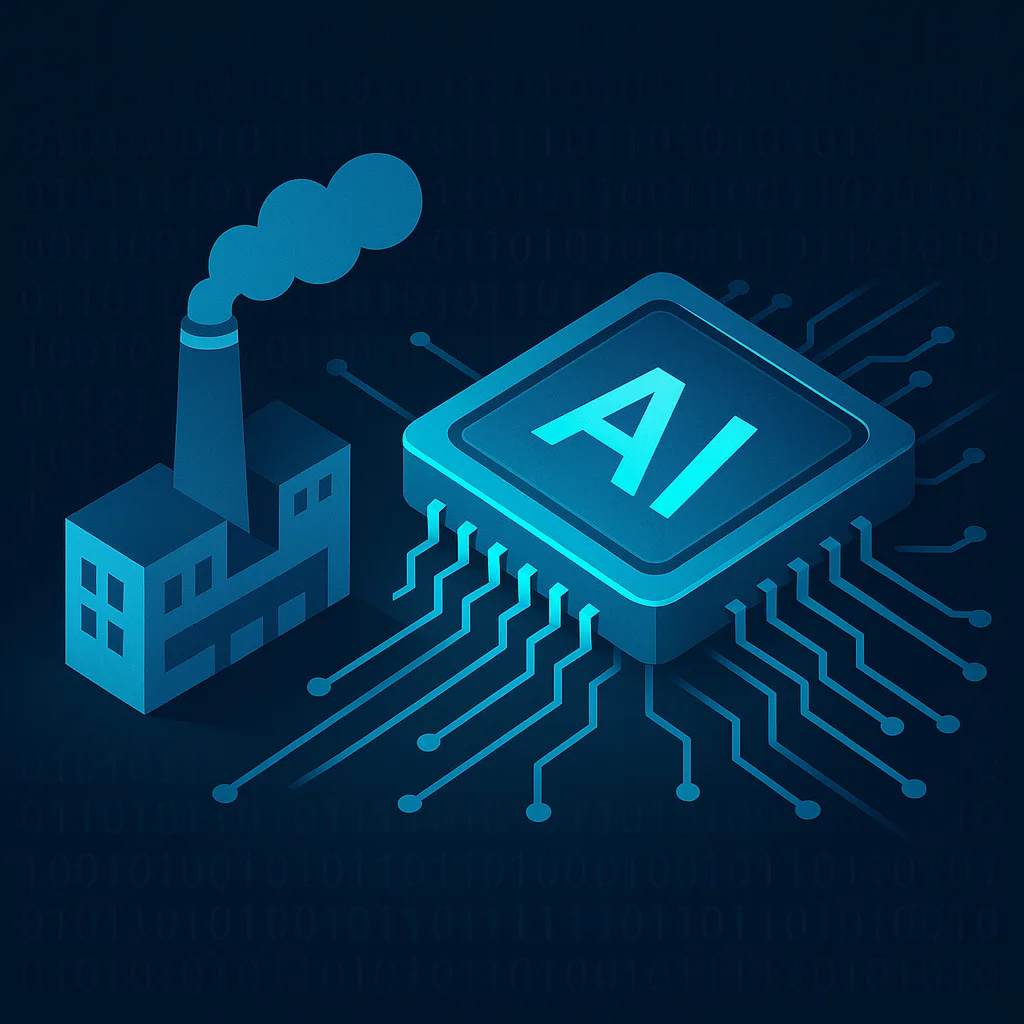
<h2>Introduction</h2><p>In the current landscape of artificial intelligence (AI), an intriguing phenomenon is observed: while AI startups generate a considerable amount of attention, traditional and less flashy businesses seem to have a surprising capacity to endure. This article delves into the reasons behind this trend, exploring the characteristics that make certain businesses more resilient amidst the market volatility driven by AI.</p><h2>The Nature of Hype Cycles</h2><p>Hype cycles, as described in the Gartner model, are stages that emerging technologies go through, starting with a peak of inflated expectations, followed by a trough of disillusionment, and finally reaching a plateau of productivity. AI has been in the spotlight for several years, and with the launch of advanced language models and innovative applications, the enthusiasm is understandable. However, history has taught us that not all technological innovations are sustainable in the long term.</p><h3>Characteristics of Boring Businesses</h3><p>Businesses that may not seem exciting are often those that understand and meet enduring market needs. These can include basic services such as food delivery, healthcare, or construction. The stability of these sectors is due to their essential nature; consumers will always need food, medical care, and housing, regardless of technological trends.</p><h3>Resilience Against Volatility</h3><p>In addition to their essential nature, these businesses often operate with more predictable margins and cost structures that allow them to adapt to economic crises. While AI startups may experience extreme fluctuations in investment and consumer interest, traditional businesses tend to maintain a loyal customer base that prioritizes functionality and accessibility over novelty. This loyalty is a crucial factor that enables these businesses to withstand the pressure from AI-driven competition.</p><h2>The Role of AI in Boring Businesses</h2><p>Contrary to popular belief, AI is not in opposition to traditional businesses. In fact, many companies are integrating AI solutions to optimize their operations. For instance, restaurants are using AI to predict demand and optimize inventory, while construction firms are implementing predictive analytics to improve efficiency. This symbiosis allows boring businesses not only to survive but to thrive in an ever-evolving technological landscape.</p><h3>The Importance of Adaptation</h3><p>The key for traditional businesses to outlast AI hype cycles lies in their ability to adapt. Companies willing to incorporate technology and enhance their processes while staying true to their core mission are more likely to succeed. For example, a construction company that adopts AI-based project management software can improve efficiency without losing focus on quality and customer service.</p><h2>Conclusion</h2><p>In summary, while AI may attract attention and investment, traditional businesses demonstrate remarkable resilience against hype cycles. Their essential nature, resilience, and adaptability are key factors that enable them not only to survive but to thrive in a technology-dominated world. The lesson here is clear: in the business world, it is often better to build on a solid and reliable foundation than to blindly chase flashy trends.</p>