Why Boring Businesses Outlast AI Hype Cycles
An in-depth analysis of how traditional businesses withstand better than AI-driven startups.
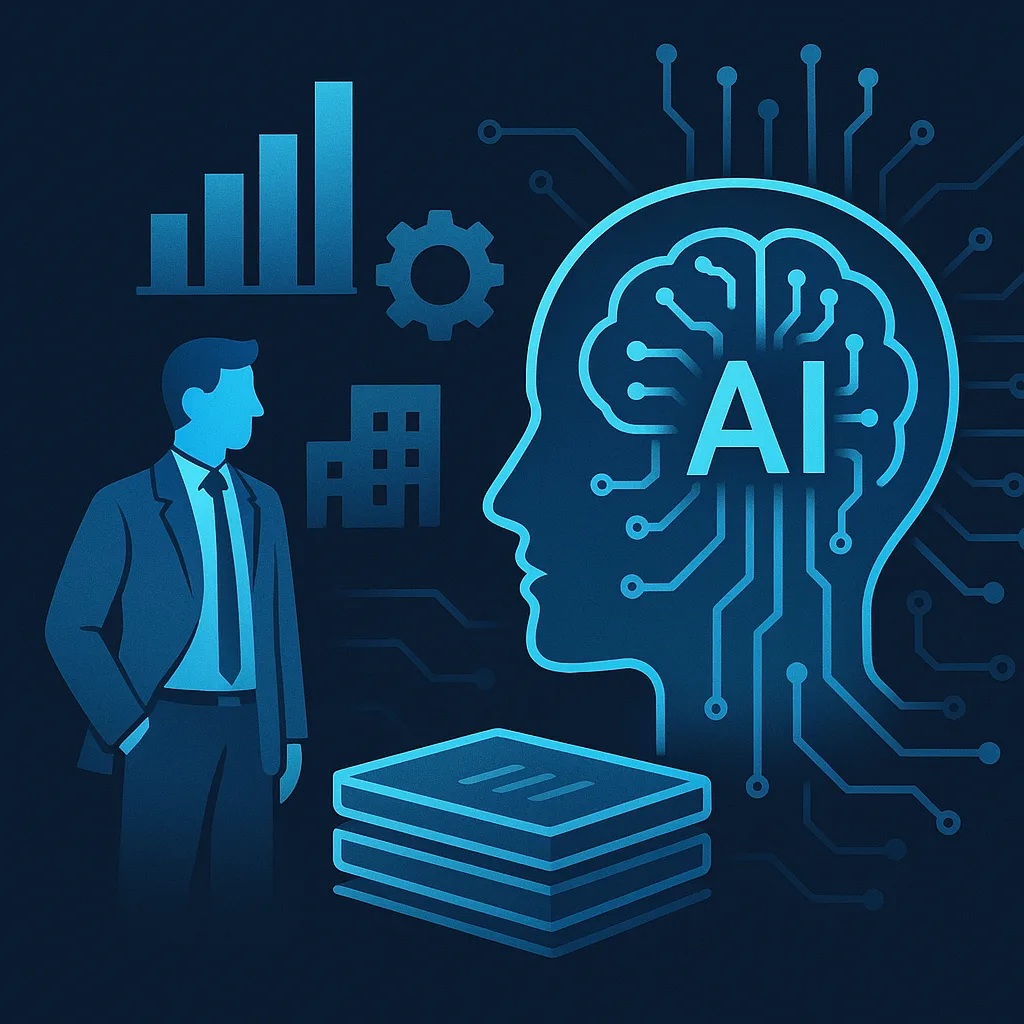
<h2>Introduction</h2><p>In today's world, artificial intelligence (AI) is at the forefront, promising to transform industries and revolutionize the way we work. However, it is often overlooked that traditional businesses, those that might be considered "boring", surprisingly withstand the ephemeral hype surrounding AI. This article explores why boring businesses outlast AI hype cycles.</p><h2>The Nature of AI and Its Hype</h2><p>AI has been hailed as the next big thing in technology. From virtual assistants to algorithms predicting buying behaviors, its potential seems limitless. However, with each new advancement in AI, a hype cycle emerges. Startups rush to the race, but many fail to sustain long-term success. This is because hype rarely translates into sustainable growth.</p><h3>Examples of Hype Cycles</h3><p>Hype cycles are often driven by massive investment in new technologies. For instance, in 2020, investments in AI startups reached record highs, yet many of these companies struggle to find a viable business model. The case of AI-based food delivery companies is a telling example; many have emerged, but few have managed to stay afloat.</p><h2>The Resilience of Boring Businesses</h2><p>On the other hand, traditional businesses such as manufacturing, agriculture, and utilities have existed for decades, even centuries. These sectors may appear less exciting, but they offer stability and steady growth. The primary reason for this resilience is their focus on sustainability and long-term efficiency.</p><h3>Financial Stability</h3><p>Boring businesses tend to have more predictable revenue streams. For example, a utility company providing electricity to a community has a well-defined and stable business model. This contrasts with AI startups, which often rely on funding rounds and may lack a clear path to profitability.</p><h2>Adaptation and Evolution</h2><p>Another factor contributing to the success of traditional businesses is their ability to adapt to new technologies without losing their essence. Many of these companies have begun incorporating AI into their operations, enhancing efficiency while maintaining their core business model. For instance, factories are using AI to optimize supply chains but continue to produce the same products.</p><h3>Success Stories</h3><p>A notable example is that of agricultural businesses that have adopted AI technologies to enhance production. These companies have combined traditional methods with new technologies to increase efficiency and reduce costs. This demonstrates that blending the old with the new can be more effective than relying solely on innovation.</p><h2>Conclusion</h2><p>In summary, while artificial intelligence promises to transform the future, traditional businesses have proven to be more resilient to hype cycles. Their focus on sustainability, financial stability, and adaptation to new technologies allows them to not only survive but thrive in an ever-changing world. While AI startups may capture attention, it is the boring businesses that are likely to endure in the long run.</p>